
Danger Safety Signs
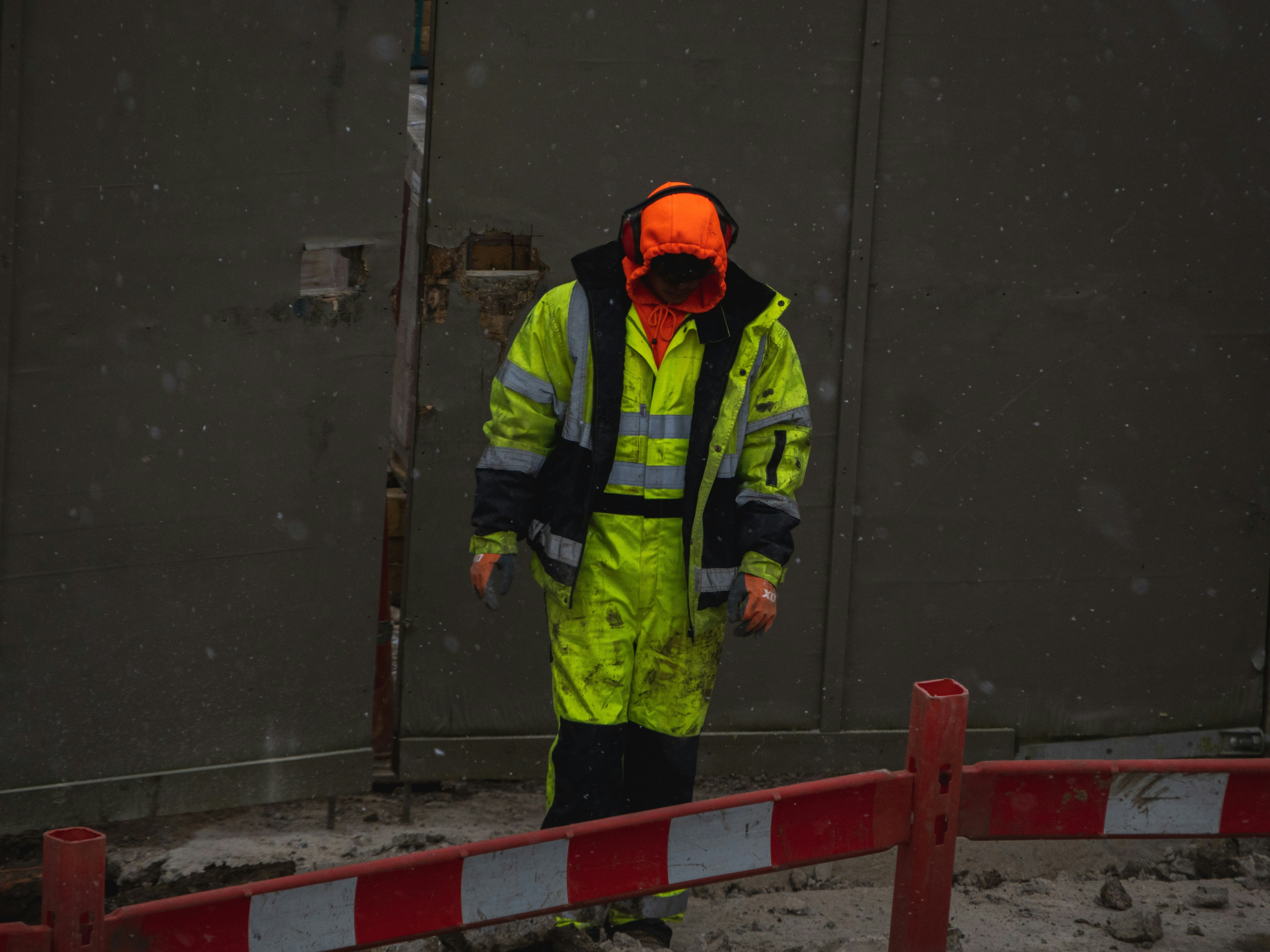
Protect workers, contractors and visitors from life-threatening workplace hazards with high-quality danger safety signs designed for Australian industrial, commercial and construction environments.
Industro supplies a comprehensive range of danger signs for workplaces across Australia, helping businesses communicate serious hazards before people enter dangerous areas or begin hazardous work.
Our range includes electrical danger signs, high voltage signs, confined space signs, crushing hazard signs, machinery danger signs, excavation signs, asbestos signs, demolition signs and many other workplace danger signs suitable for construction sites, warehouses, manufacturing facilities, mining operations, utilities and infrastructure projects.
Available in polypropylene, aluminium composite panel (ACM), metal, self-adhesive vinyl and reflective materials, our danger safety signs are built for both indoor and outdoor applications.
Whether you require one replacement sign or a complete workplace signage package, Industro provides practical advice, durable products and fast Australia-wide delivery.
What Are Danger Safety Signs?
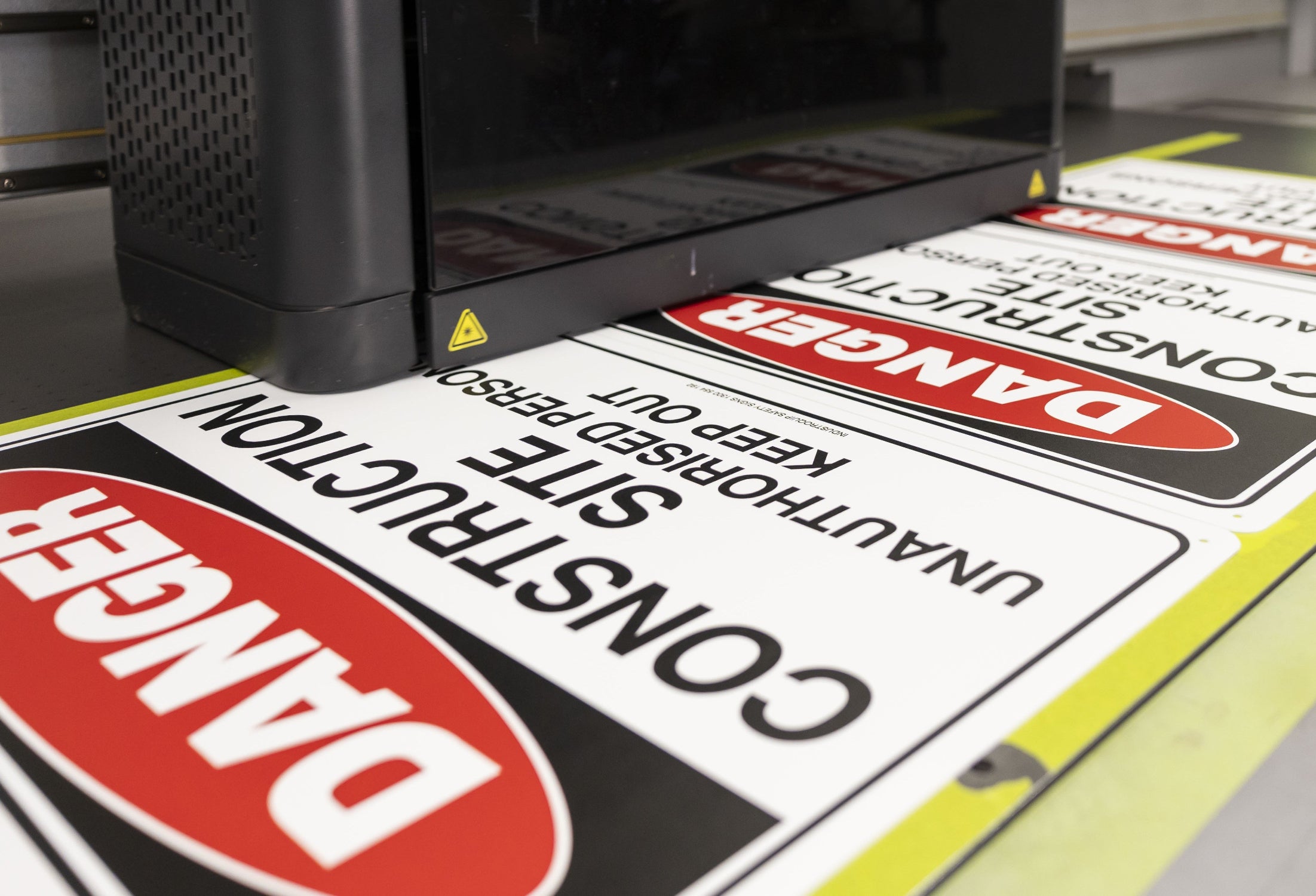
Danger safety signs communicate hazards or hazardous conditions that are likely to cause death or serious injury if the message is ignored.
Unlike general warning signs, danger signs are reserved for the highest level of workplace hazard.
Their purpose is to immediately attract attention and communicate that entering an area or performing an activity without appropriate controls could result in catastrophic consequences.
Danger signs are commonly used around:
- High voltage electrical installations
- Energised switchboards
- Confined spaces
- Crushing hazards
- Dangerous machinery
- Demolition zones
- Excavations
- Live overhead powerlines
- Explosive atmospheres
- Radiation areas
- Asbestos removal work
- Major structural hazards
When workers repeatedly encounter danger signs, they quickly associate the distinctive design with the need for extreme caution.
Why Danger Signs Matter
Industrial workplaces often contain hazards that cannot be completely eliminated.
Workers may still need to enter electrical rooms, maintenance areas, confined spaces or operating plant to perform essential tasks.
In these situations, danger signs help communicate the seriousness of the hazard before exposure occurs.
Effective danger signage helps:
- Warn people before they encounter life-threatening hazards
- Prevent unauthorised access
- Reinforce lockout and isolation procedures
- Support permit-to-work systems
- Assist contractors unfamiliar with the site
- Improve visitor awareness
- Reduce accidental entry into hazardous areas
- Reinforce workplace safety procedures
- Support emergency planning
- Promote consistent hazard communication
Danger signs should always support—not replace—engineering controls, isolation procedures, guarding, permits, supervision and other workplace safety measures.
Understanding Danger Sign Colours
Danger signs use one of the most recognisable safety sign layouts in Australia.
Their distinctive appearance allows workers to identify the seriousness of the message before reading the wording.
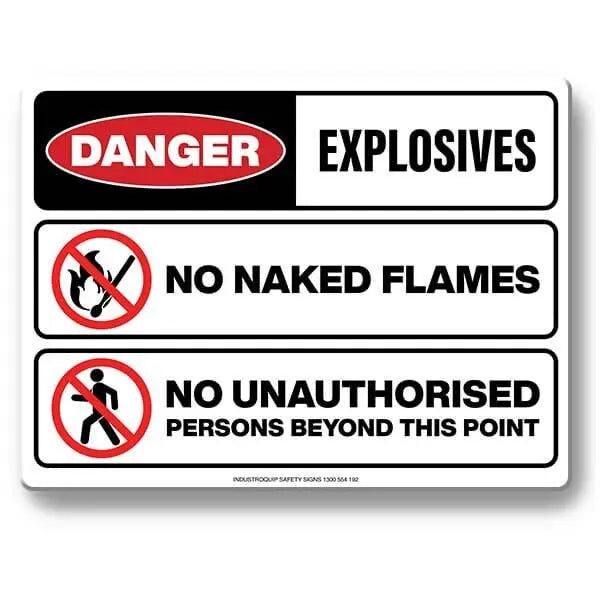
Typical danger signs feature:
- Black rectangular background
- Red oval
- White DANGER lettering
- Black hazard wording beneath
The combination of red, black and white creates strong visual contrast that is easily recognised across industrial workplaces.
Maintaining consistent colours and layouts helps workers identify high-consequence hazards immediately, even in busy environments.
Australian Standards for Danger Signs
AS 1319:1994, Safety Signs for the Occupational Environment, remains Australia's recognised standard covering the design and use of occupational safety signs.
Within this framework, danger signs are intended only for hazards that are likely to be life-threatening.
Using a danger sign for relatively minor hazards can reduce its impact and create confusion.
Workplaces should select the sign classification that accurately reflects the level of risk identified through their workplace risk assessment.
Some specialised hazards—such as hazardous chemicals, dangerous goods, electrical installations and confined spaces—may also have additional legislative or industry requirements beyond general safety signage.
When Should a Danger Sign Be Used?
One of the biggest mistakes seen in workplaces is using danger signs for every hazard.
Not every workplace risk requires a danger sign.
Generally, danger signs should be reserved for situations where a person could reasonably suffer death or serious injury if they ignore the message.
Examples include:
- Contact with live electrical conductors
- Entry into confined spaces
- Exposure to crushing equipment
- Structural collapse
- Exposure to explosive atmospheres
- Contact with moving machinery
- Major fall hazards
- Demolition activities
- High-pressure energy systems
- Asbestos removal
Where the hazard is less severe, a warning sign or another category may be more appropriate.
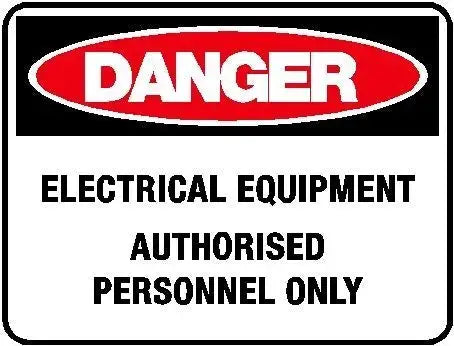
Electrical Danger Signs
Electrical hazards remain one of the leading causes of serious workplace injuries.
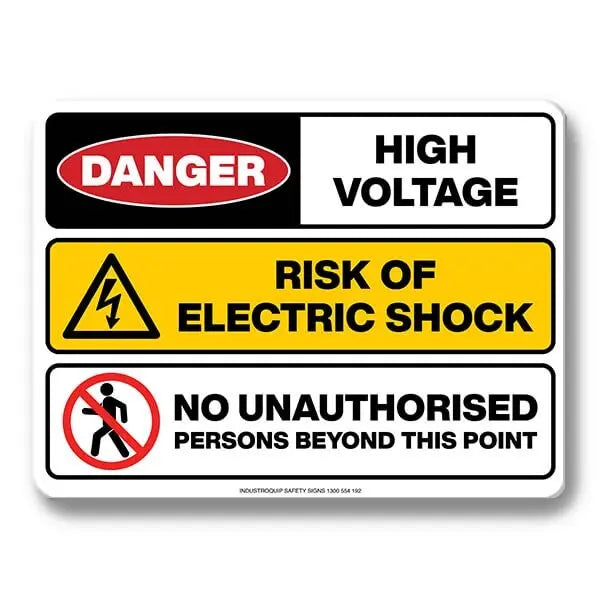
Electrical danger signs warn workers and visitors before they enter areas containing energised equipment or electrical hazards.
Common electrical danger signs include:
- Danger High Voltage
- Danger Live Wires
- Danger Electrical Hazard
- Danger Electrical Switchboard
- Danger Energised Equipment
- Danger Electrical Room
- Danger Underground Cables
- Danger Overhead Powerlines
- Danger Isolation Required
- Danger Arc Flash Hazard
These signs are commonly installed on:
- Switchboards
- Electrical rooms
- Substations
- Transformer compounds
- Plant rooms
- Generator rooms
- Cable pits
- Distribution boards
- Electrical cabinets
- Industrial machinery
Electrical signs should always support established isolation, lockout/tagout and permit procedures.
Buy Electrical Danger Signs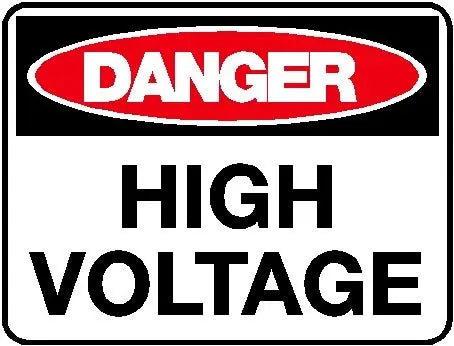
High Voltage Danger Signs
High voltage presents one of the most serious hazards in industrial workplaces.
High voltage signs provide immediate warning before workers approach energised equipment.
Typical wording includes:
- Danger High Voltage
- Danger Live Electrical Equipment
- Danger High Voltage Keep Out
- Danger Energised Equipment
- Danger Authorised Personnel Only
Common applications include:
- Electrical substations
- Utility infrastructure
- Mining operations
- Renewable energy facilities
- Battery storage systems
- Solar farms
- Switch rooms
- Distribution centres
- Manufacturing facilities
High voltage signs should be clearly visible before personnel enter restricted electrical areas.
Buy High Voltage Danger Signs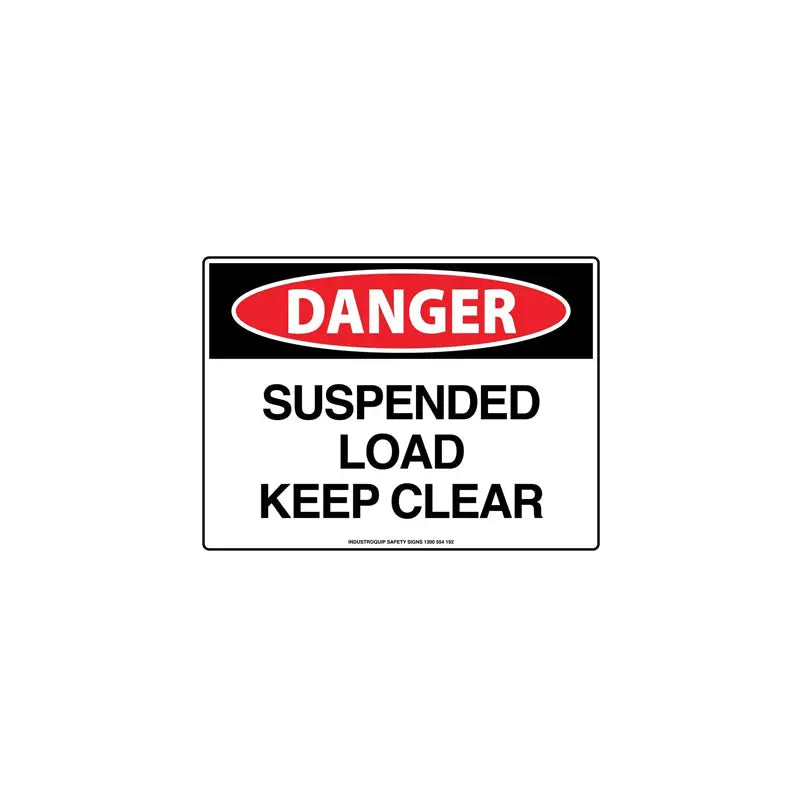
Crushing Hazard Signs
Crushing hazards occur wherever workers may become trapped between moving equipment, structures or materials.
Common crushing hazard signs include:
- Danger Crushing Hazard
- Danger Keep Clear
- Danger Moving Machinery
- Danger Pinch Point
- Danger Keep Hands Clear
- Danger Automatic Equipment
- Danger Closing Gate
- Danger Hydraulic Equipment
- Danger Press Operating
- Danger Conveyor
Typical applications include:
- Conveyor systems
- Hydraulic presses
- Vehicle hoists
- Automated warehouses
- Compacting equipment
- Mechanical presses
- Mobile plant
- Waste handling equipment
Signs should be positioned where workers can recognise the hazard before entering the danger zone.
Buy Crushing Hazard Signs
Confined Space Danger Signs
Confined spaces present multiple potentially life-threatening hazards.
These may include:
- Oxygen deficiency
- Toxic gases
- Explosive atmospheres
- Flooding
- Engulfment
- Restricted access
- Difficult rescue
Typical confined space signs include:
- Danger Confined Space
- Entry By Permit Only
- Authorised Personnel Only
- Atmosphere Testing Required
- Standby Person Required
- Rescue Equipment Required
Confined space signs commonly appear on:
- Tanks
- Silos
- Pits
- Underground vaults
- Sewer access points
- Boilers
- Pressure vessels
- Storage vessels
Confined space signage should reinforce—not replace—the workplace confined space entry procedures.
Buy Confined Space Danger Signs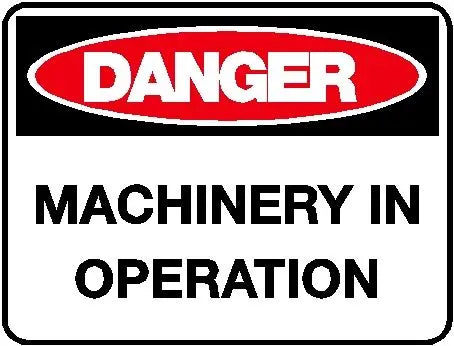
Machinery Danger Signs
Industrial machinery contains numerous serious hazards.
Danger signs help prevent accidental contact with moving equipment.
Typical machinery signs include:
- Danger Moving Machinery
- Danger Rotating Parts
- Danger Keep Hands Clear
- Danger Automatic Start
- Danger Do Not Operate
- Danger Lock Out Before Servicing
- Danger Conveyor
- Danger Entanglement Hazard
- Danger Rotating Shaft
- Danger Machine Guard Removed
Common locations include:
- Manufacturing plants
- Food processing
- Packaging facilities
- Workshops
- Timber mills
- Recycling plants
- Agricultural machinery
- Warehouses
Signs should remain visible during both operation and maintenance activities.
Buy Machinery Danger Signs
Asbestos Danger Signs
Where asbestos work is being undertaken, clear danger signage is essential.
Typical wording includes:
- Danger Asbestos Removal
- Authorised Personnel Only
- Respiratory Protection Required
- Do Not Enter
- Asbestos Hazard
These signs should remain in place for the duration of the asbestos work and be removed once the area has been declared safe in accordance with applicable procedures.
Buy Asbestos Danger Signs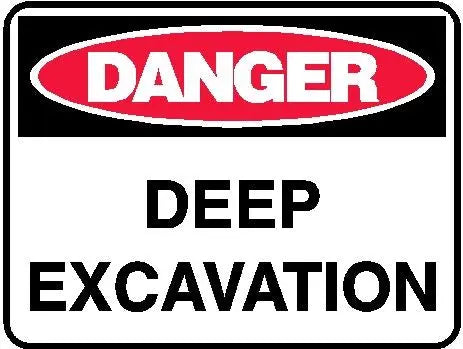
Excavation Danger Signs
Excavations create significant risks including collapse, falls and underground services.
Typical excavation danger signs include:
- Danger Deep Excavation
- Danger Open Trench
- Keep Out
- No Entry
- Danger Collapse Hazard
- Underground Services
Excavation signage should work together with barriers and exclusion zones.
Buy Excavation Danger Signs
Demolition Danger Signs
Demolition work presents constantly changing hazards.
Common signs include:
- Danger Demolition In Progress
- Keep Out
- Falling Objects
- Unstable Structure
- No Unauthorised Entry
- Heavy Plant Operating
As demolition progresses, signage should be reviewed regularly to ensure it accurately reflects current site conditions.
Buy Demolition Danger SignsChoosing the Right Material
Danger signs are available in:
- Polypropylene
- Aluminium Composite Panel
- Metal
- Self-Adhesive Vinyl
- Reflective Materials
Material selection depends on:
- Indoor or outdoor use
- Exposure to weather
- Mounting surface
- Expected service life
- Viewing distance
- Workplace environment
Where Should Danger Signs Be Installed?
Danger signs should always be positioned before a person reaches the hazard.
Typical locations include:
- Entry doors
- Gates
- Electrical rooms
- Plant areas
- Machinery guards
- Confined space access points
- Switchboards
- Crane operating zones
- Excavations
- Restricted access areas
- The sign should provide enough warning for the person to stop, understand the risk and take appropriate action.
Common Mistakes
Some common mistakes include:
- Using danger signs where warning signs are more appropriate
- Installing signs after the hazard
- Choosing signs that are too small
- Poor visibility
- Obstructed signs
- Faded signage
- Leaving obsolete danger signs in place
- Relying on signs instead of engineering controls
Regular inspections should include checking that danger signs remain visible, legible and relevant to current workplace conditions.
Frequently Asked Questions About Danger Safety Signs
A danger safety sign is a specific type of hazard sign used to alert people to a life-threatening condition, situation, or environment. It signals that a high-level risk exists which, if not avoided, will result in serious injury or death.
Use a danger sign only when there is an immediate, life-threatening hazard present. Examples include high-voltage areas, confined spaces with toxic gases, falling rock zones, or heavy machinery operating areas where fatal accidents can occur instantly.
Under standard safety guidelines, a danger sign features the word DANGER in white letters inside a red oval, which is set against a black rectangle. The rest of the sign typically has a white background with black text or symbols explaining the specific hazard.
The main difference is the severity of the risk and the color coding:
- Danger Signs: Indicate an immediate, life-threatening hazard that will cause death or severe injury if ignored (Red/Black/White).
- Warning Signs: Indicate a hazard that could cause injury or harm, but is generally not fatal (Yellow triangle with black text/symbols).
Danger signs are governed by AS 1319-1994 (Safety signs for the occupational environment). This standard dictates the exact design, colors, layouts, and symbols that must be used to keep workplaces compliant.
Danger signs must be installed in a highly visible position directly at the point of danger or at the entrance leading to the hazardous area. They should be placed at eye level, completely unobstructed by doors, racks, or equipment, so people can see the warning before entering the zone.
Yes. Under Work Health and Safety (WHS) and Occupational Health and Safety (OHS) legislation, employers and PCBUs (Persons Conducting a Business or Undertaking) are legally required to identify workplace hazards and use appropriate safety signs where risks cannot be eliminated.
For outdoor use, the best materials are:
- Aluminium (1.6mm): Highly durable, rust-proof, and excellent for long-term outdoor exposure or perimeter fencing.
- Colorbond Steel: Heavy-duty, robust, and highly resistant to harsh weather conditions.
- UV-Stabilised Polypropylene (Plastic): A cost-effective, flexible option that resists fading in the sun.
Yes, danger signs can be customised, but the header layout must strictly follow standard regulations (the red oval with the word DANGER inside a black rectangle). The text below the header or the accompanying pictogram can be tailored to specify your unique workplace hazard.
The correct size depends entirely on the required viewing distance so that workers have enough time to read and react to the hazard.
If you have a specific requirement or need help choosing the right safety signs for your site, please contact us today. Our team is ready to assist you with compliance and custom orders.
Order Danger Safety Signs from Industro
Protect your workplace with high-quality danger safety signs from Industro.
Browse our extensive range of electrical danger signs, high voltage signs, confined space signs, crushing hazard signs, machinery danger signs and other workplace danger signage, or contact our team for custom solutions tailored to your facility.
Whether you require a single replacement sign or a complete site-wide signage package, Industro provides durable products, expert advice and fast Australia-wide delivery.