
Warning Safety Signs
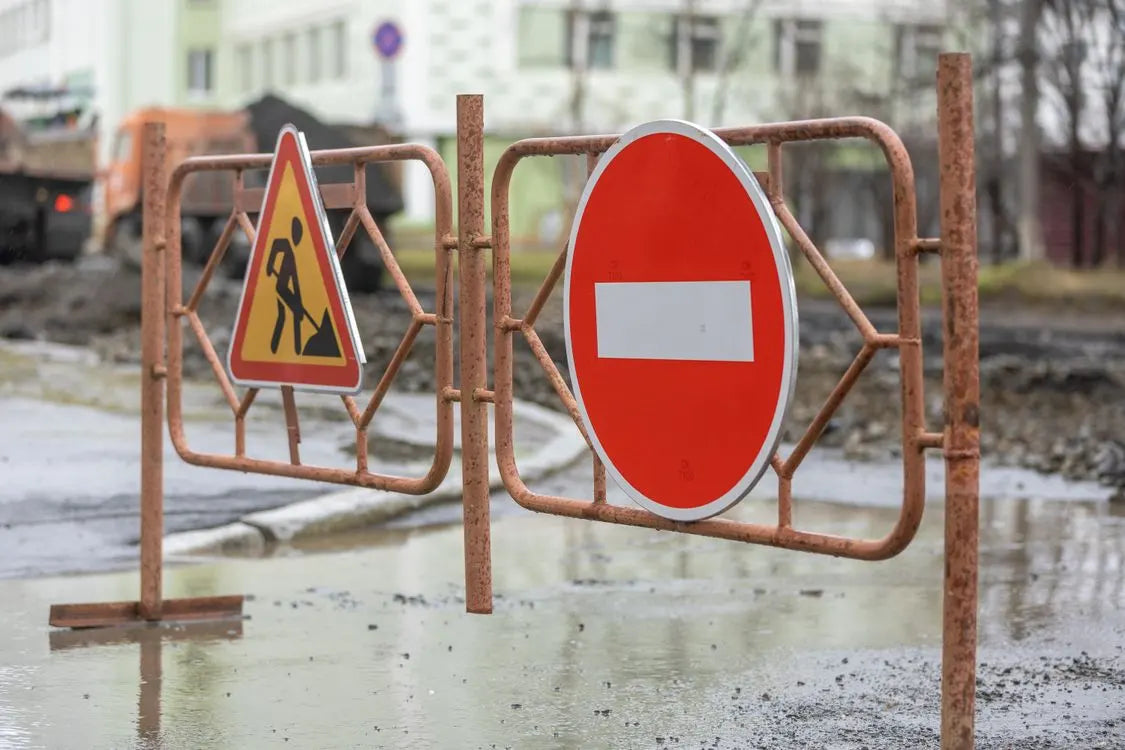
Improve workplace safety and communicate hazards clearly with high-quality warning safety signs designed for Australian workplaces.
Industro supplies a comprehensive range of warning signs to help businesses identify hazards before workers, contractors and visitors enter potentially dangerous areas. Whether you operate a warehouse, construction site, manufacturing facility, transport depot, mining operation or commercial workplace, warning signs provide clear visual communication that encourages people to take extra care.
Our range includes forklift warning signs, slippery surface signs, trip hazard signs, uneven surface signs, overhead hazard signs, moving machinery signs, overhead crane signs, reversing vehicle signs and many other workplace warning signs.
Available in polypropylene, aluminium composite panel (ACM), metal, self-adhesive vinyl and reflective materials, our warning safety signs are suitable for both indoor and outdoor applications.
Whether you require a single replacement sign or a complete workplace signage package, Industro delivers practical advice, durable products and fast Australia-wide delivery.
What Are Warning Safety Signs?
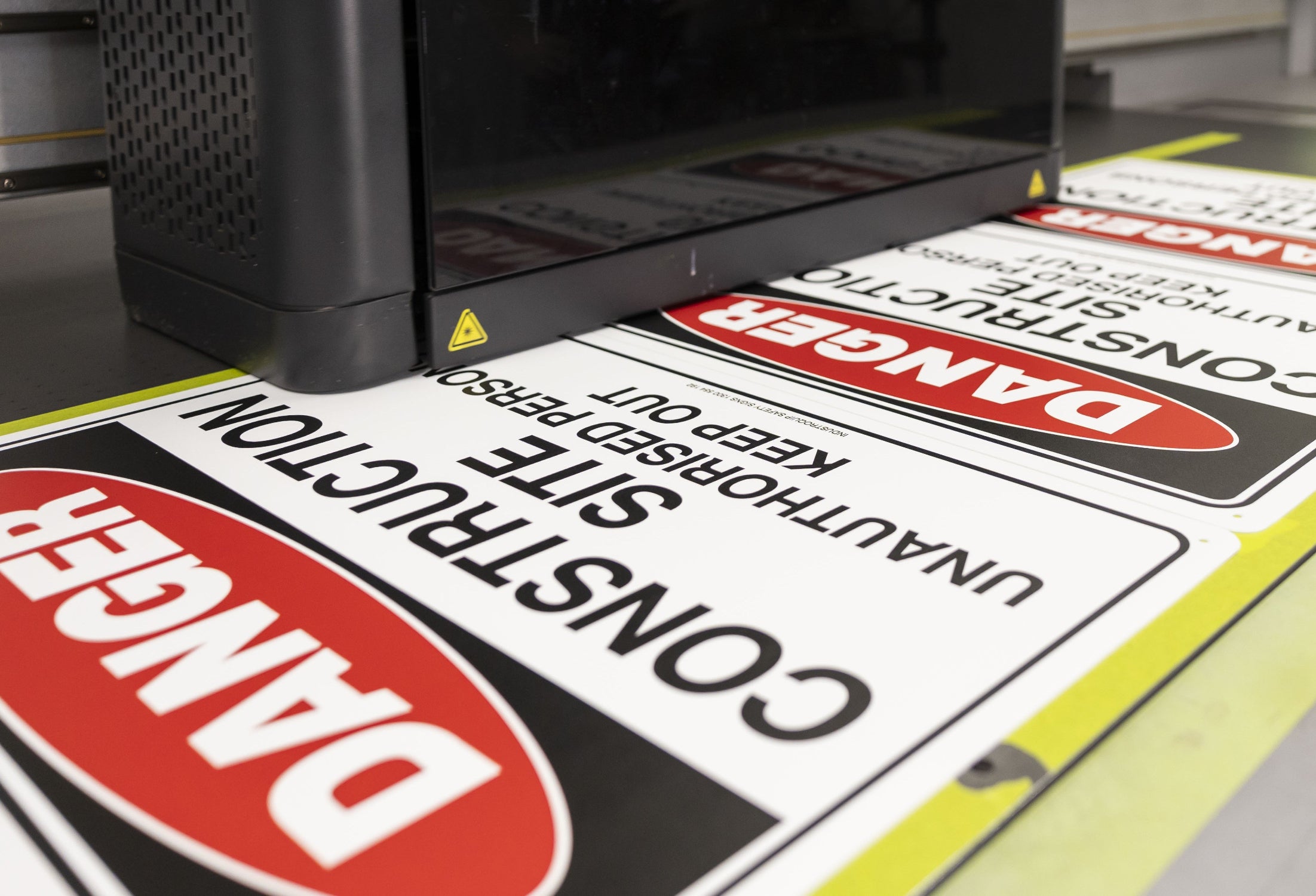
Warning safety signs identify hazards or hazardous conditions that require people to exercise caution.
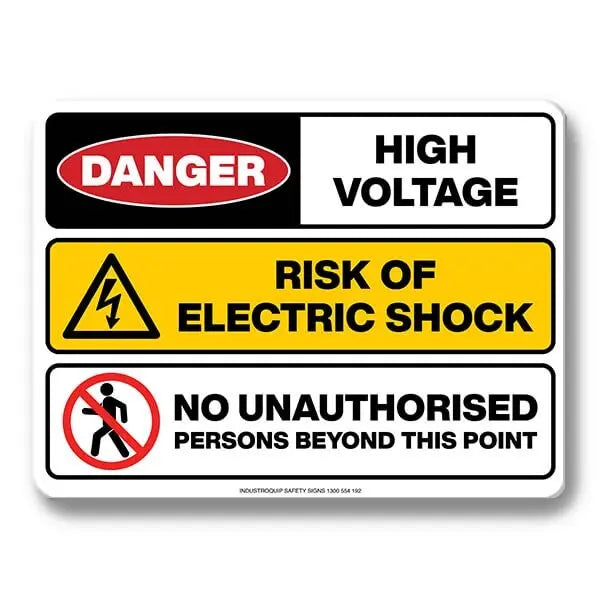
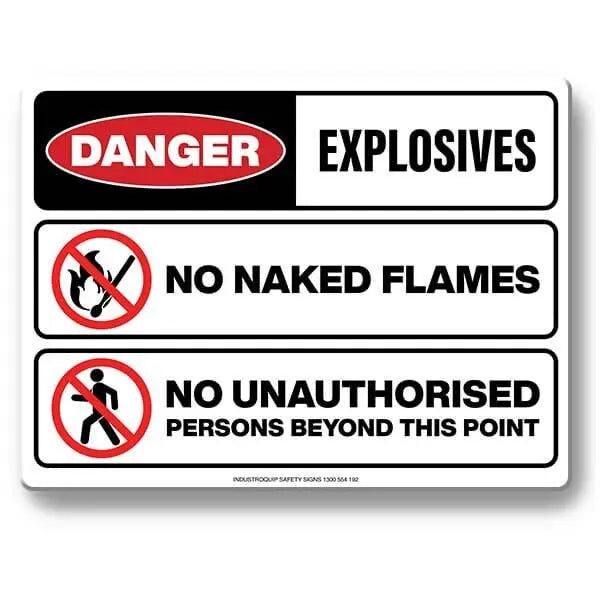
Unlike danger signs, which are reserved for hazards likely to cause death or serious injury, warning signs communicate significant risks that require attention but are not generally expected to present the same immediate level of danger.
Warning signs encourage workers and visitors to recognise a hazard, modify their behaviour and proceed carefully.
Typical workplace warning signs include:
- Warning Forklifts Operating
- Warning Slippery Surface
- Warning Trip Hazard
- Warning Uneven Surface
- Warning Overhead Crane
- Warning Moving Machinery
- Warning Hot Surface
- Warning Reversing Vehicles
- Warning Falling Objects
- Warning Low Headroom
- Warning Biological Hazard
- Warning Laser Radiation
- Warning Chemical Hazard
- Warning Fragile Roof
Warning signs help improve awareness but should always support broader workplace risk controls such as barriers, guarding, traffic management, training and safe work procedures.
Why Warning Signs Are Important
Every workplace contains hazards that employees encounter throughout the day.
Some hazards are temporary.
Others are permanent.
Many cannot be completely removed.
Warning signs provide workers with valuable time to recognise these hazards before they are exposed.
Effective warning signage helps:
- Increase hazard awareness
- Reduce slips, trips and falls
- Improve warehouse traffic safety
- Warn pedestrians about moving plant
- Reinforce traffic management plans
- Improve visitor awareness
- Reduce workplace confusion
- Support employee training
- Identify temporary hazards
- Encourage safer behaviour
While warning signs communicate hazards, they should never be considered the only safety control.
Where reasonably practicable, hazards should first be eliminated or reduced using engineering controls, isolation, guarding or other risk control measures.
Understanding Warning Sign Colours
Warning signs are immediately recognisable because of their distinctive colour scheme.
Australian workplaces commonly use:
- Yellow background
- Black triangular hazard symbol
- Black border
- Black wording
Yellow is internationally recognised as the colour associated with caution.
The high contrast between yellow and black allows warning signs to stand out in busy industrial environments where workers must quickly identify hazards.
Consistent colours also help employees recognise the type of message before reading the text.
Warning Signs and Australian Standards
AS 1319:1994, Safety Signs for the Occupational Environment, provides guidance for the design and use of occupational safety signs in Australia.
Within this framework, warning signs are intended to identify hazards that require caution.
Selecting the correct sign classification is important.
Using a warning sign for every hazard can reduce its effectiveness, while using a danger sign for lower-level hazards may overstate the level of risk.
Workplaces should select signage that accurately reflects the hazards identified through their workplace risk assessment.
When Should a Warning Sign Be Used?
Warning signs are appropriate where people need to recognise a hazard before entering an area or carrying out an activity.
Examples include:
- Slippery floors
- Moving forklifts
- Uneven ground
- Overhead obstacles
- Hot surfaces
- Noise hazards
- Vehicle movements
- Blind corners
- Fragile roofs
- Low clearance
- Wet concrete
- Overhead cranes
Warning signs communicate "take care" rather than "do not enter" or "you must do this."
Understanding this distinction helps ensure the right message is communicated throughout the workplace.
Slip Hazard Warning Signs
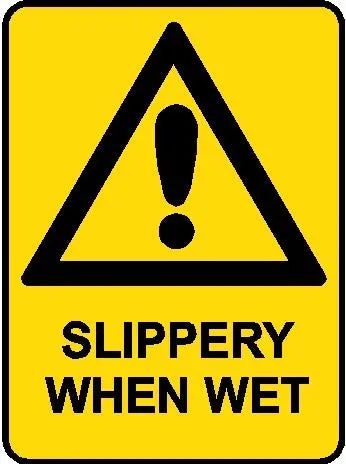
Slips remain one of the most common causes of workplace injuries.
Slip hazards may result from:
- Wet floors
- Oil spills
- Cleaning operations
- Rainwater
- Polished surfaces
- Food preparation
- Chemical spills
- Ice
- Mud
- Loose materials
Common slip hazard warning signs include:
- Warning Slippery Surface
- Warning Wet Floor
- Caution Wet Floor
- Slippery When Wet
- Cleaning In Progress
- Surface May Be Slippery
Typical locations include:
- Warehouses
- Kitchens
- Workshops
- Manufacturing facilities
- Shopping centres
- Hospitals
- Schools
- Amenities
- Entry foyers
- Loading docks
Temporary slip hazards should be addressed as soon as practical, with warning signs removed once the hazard no longer exists.
Buy Slip Hazard Warning Signs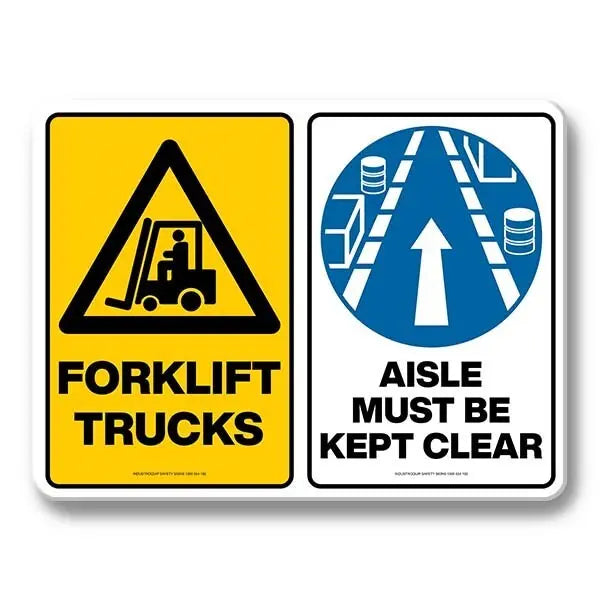
Forklift Warning Signs
Forklifts are an essential part of many warehouses and industrial facilities, but they also create significant interaction risks with pedestrians.
Forklift warning signs alert workers before they enter areas where forklifts regularly operate.
Common forklift warning signs include:
- Warning Forklifts Operating
- Watch For Forklifts
- Forklift Crossing
- Beware of Moving Plant
- Reversing Forklifts
- Forklift Route
- Vehicle Crossing
- Give Way To Forklifts
- Blind Corner
- Sound Horn
Forklift warning signs should be installed:
- At warehouse entrances
- Along forklift routes
- Near intersections
- Beside pedestrian crossings
- At loading docks
- Around dispatch areas
- Near blind corners
- In manufacturing facilities
They should work together with floor markings, barriers and warehouse traffic-management systems.
Buy Forklift Warning Signs
Trip Hazard Warning Signs
Trip hazards often develop gradually and may not be immediately obvious.
Common trip hazards include:
- Uneven flooring
- Electrical leads
- Hoses
- Temporary works
- Pallets
- Building materials
- Thresholds
- Excavations
- Loose flooring
Typical trip hazard signs include:
- Warning Trip Hazard
- Mind The Step
- Uneven Surface
- Watch Your Step
- Temporary Obstruction
- Floor Level Change
Trip hazard signs are commonly used in:
- Warehouses
- Construction sites
- Workshops
- Commercial buildings
- Schools
- Public facilities
Signs should be placed before the trip hazard, giving people time to adjust their path.
Buy Trip Hazard Warning Signs
Uneven Surface Warning Signs
Uneven surfaces increase the likelihood of slips, trips and falls.
Common applications include:
- Car parks
- Footpaths
- Construction sites
- Warehouse yards
- Loading docks
- Outdoor walkways
- Gravel areas
- Temporary works
Typical signs include:
- Warning Uneven Surface
- Uneven Ground
- Surface Level Changes
- Mind Your Step
- Rough Surface
Where practical, repairing the surface should take priority over relying solely on signage.
Buy Uneven Surface Warning Signs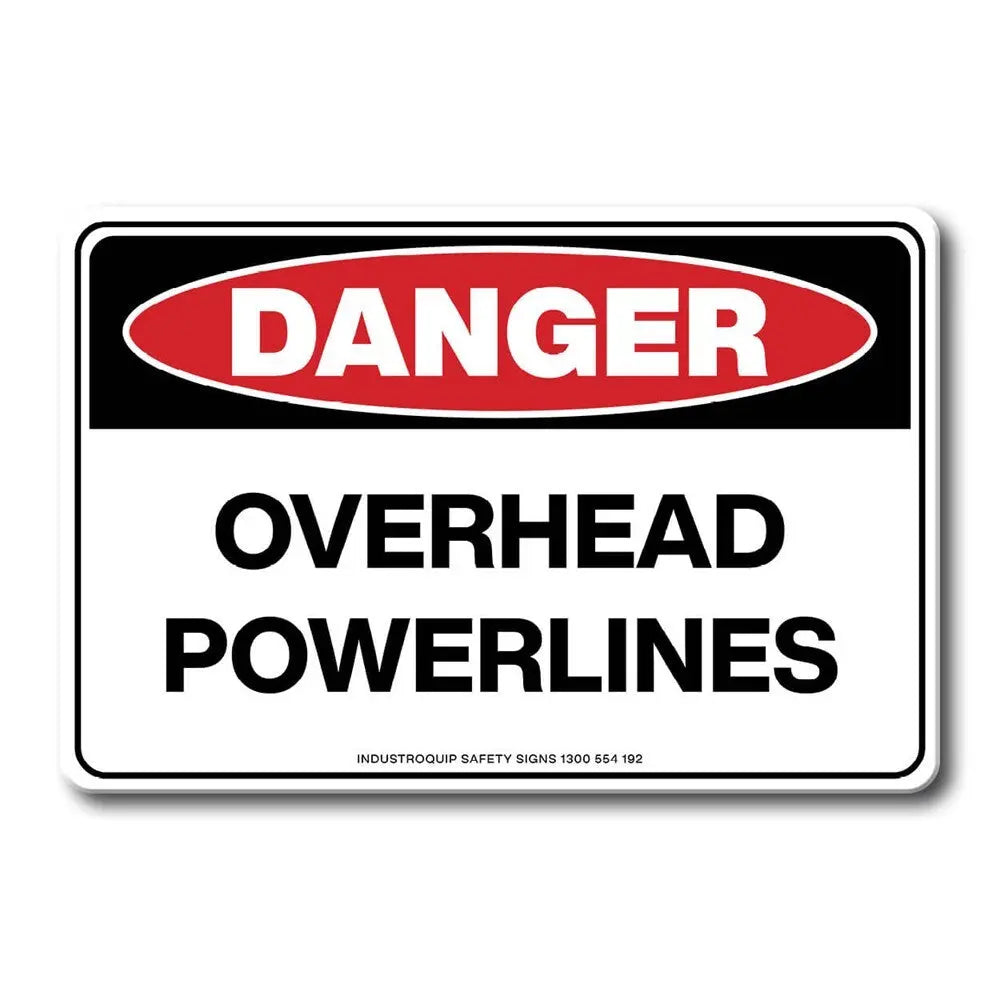
Overhead Hazard Warning Signs
Many industrial workplaces contain overhead hazards capable of causing injury.
These hazards may include:
- Suspended loads
- Cranes
- Pipework
- Low beams
- Overhead doors
- Services
- Construction work
- Tree branches
- Low ceilings
Common overhead warning signs include:
- Warning Overhead Crane
- Warning Low Headroom
- Beware of Falling Objects
- Overhead Work In Progress
- Suspended Load
- Crane Operating
- Low Clearance
- Mind Your Head
Overhead hazard signs are commonly used in:
- Warehouses
- Construction sites
- Manufacturing plants
- Workshops
- Distribution centres
- Aircraft hangars
- Mining operations
Where workers may be exposed to overhead lifting operations, signs should complement exclusion zones and physical barriers.
Buy Overhead Hazard Warning Signs
Vehicle Warning Signs
Vehicle movements create numerous hazards across industrial workplaces.
Typical warning signs include:
- Warning Reversing Vehicles
- Trucks Entering
- Heavy Vehicles Turning
- Watch For Trucks
- Vehicle Crossing
- Loading Area
- Delivery Vehicles
- Mobile Plant Operating
Vehicle warning signs help pedestrians anticipate approaching traffic before entering vehicle operating areas.
Buy Vehicle Warning Signs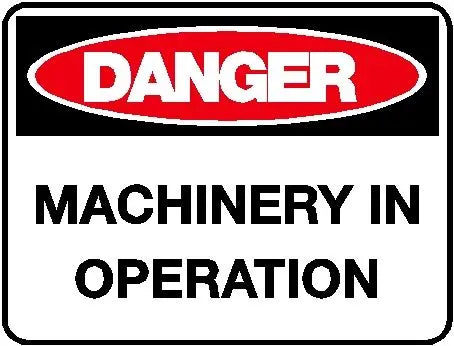
Machinery Warning Signs
Industrial machinery often contains hazards requiring workers to exercise caution.
Common machinery warning signs include:
- Warning Moving Machinery
- Rotating Equipment
- Pinch Point
- Hot Surface
- Automatic Start
- Entanglement Hazard
- Moving Conveyor
- Mechanical Hazard
These signs are typically installed near machine access points and operator workstations.
Buy Machinery Warning Signs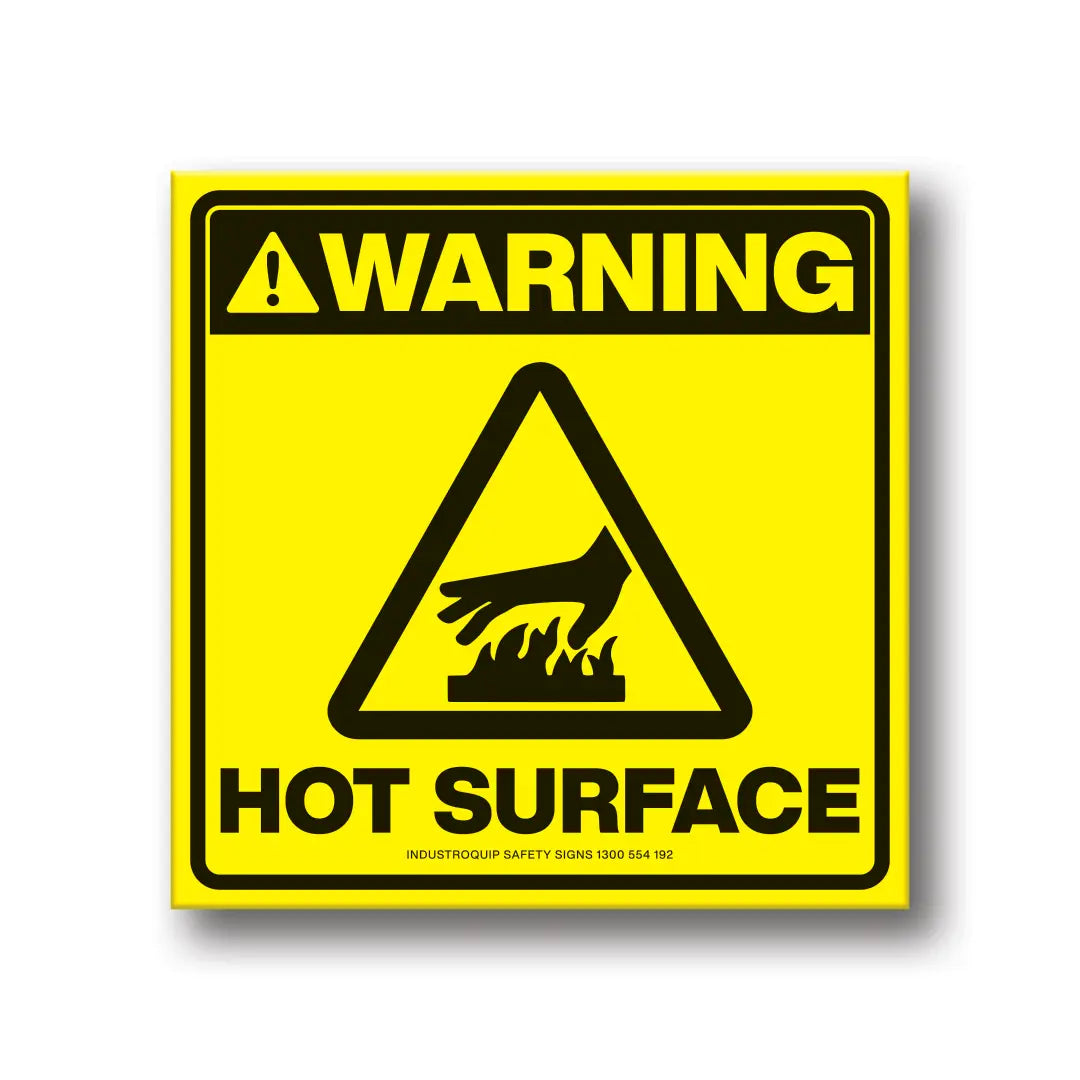
Hot Surface Warning Signs
Workers may encounter hot pipes, engines, machinery, ovens, boilers and processing equipment.
Typical signs include:
- Warning Hot Surface
- Surface May Be Hot
- Hot Equipment
- Burn Hazard
These signs help prevent burns by alerting workers before contact occurs.
Buy Hot Surface Warning SignsChoosing the Right Material
Warning signs are available in:
- Polypropylene
- Aluminium Composite Panel
- Metal
- Self-Adhesive Vinyl
- Reflective Materials
The most suitable material depends on:
- Indoor or outdoor use
- Mounting surface
- Weather exposure
- Viewing distance
- Expected service life
Where Should Warning Signs Be Installed?
Warning signs should always be installed before people encounter the hazard.
Typical locations include:
- Doorways
- Walkways
- Warehouse aisles
- Construction site entrances
- Machinery
- Loading docks
- Car parks
- Vehicle crossings
- Blind corners
- Stairways
Workers should have enough time to recognise the warning and modify their behaviour.
Common Mistakes
Some common warning sign mistakes include:
- Using warning signs for life-threatening hazards
- Installing signs too close to the hazard
- Choosing signs that are too small
- Poor visibility
- Obstructed signs
- Faded signage
- Leaving temporary signs in place permanently
- Relying on warning signs instead of eliminating hazards
Regular inspections should include checking that warning signs remain visible, legible and appropriate for current workplace conditions.
Frequently Asked Questions About Warning Safety Signs
A warning safety sign identifies a hazard or hazardous condition that requires people to exercise caution. Warning signs are used to alert workers, contractors and visitors to potential risks such as moving vehicles, slippery surfaces, uneven ground or overhead hazards before they enter the area. Their purpose is to encourage safer behaviour and help people recognise hazards before an incident occurs.
Warning safety signs typically feature a yellow background with a black triangular hazard symbol, black border and black text. The yellow and black colour combination is widely recognised in Australian workplaces and helps warning signs stand out in busy industrial environments.
The main difference is the level of risk being communicated.
A warning sign identifies a hazard that requires caution but is not generally expected to present an immediate life-threatening danger. Examples include slippery floors, forklifts operating, uneven surfaces or overhead obstacles.
A danger sign is reserved for hazards or hazardous conditions that are likely to cause death or serious injury if ignored. Examples include high voltage electrical equipment, confined spaces, asbestos removal or crushing hazards.
Selecting the correct sign helps communicate the seriousness of the hazard accurately.
Warning signs should be used wherever people need advance notice of a hazard so they can take appropriate care. They are commonly installed where hazards cannot be completely eliminated or where temporary hazards exist.
Typical applications include:
- Forklift operating areas
- Wet or slippery floors
- Trip hazards
- Uneven surfaces
- Loading docks
- Overhead cranes
- Low headroom
- Moving machinery
- Vehicle crossings
- Hot surfaces
- Blind corners
- Construction work zones
AS 1319:1994, Safety Signs for the Occupational Environment, is Australia's recognised standard covering the design and use of occupational safety signs. It provides guidance on safety sign categories, colours, symbols and their intended use within workplaces.
Depending on the workplace and industry, additional legislation, Codes of Practice or Australian Standards may also apply.
Warning signs should always be installed before a person reaches the hazard.
They are commonly positioned at:
- Entry doors
- Warehouse aisles
- Construction site access points
- Machinery operating areas
- Loading docks
- Vehicle crossings
- Walkways
- Blind corners
- Stairways
- Changes in floor level
The sign should provide enough warning for a person to recognise the hazard and adjust their behaviour before entering the area.
Yes. Industro can produce custom warning safety signs to suit your workplace requirements.
Custom options include:
- Company logos
- Site-specific wording
- Custom hazard descriptions
- Multiple languages
- QR codes
- Department names
- Project information
- Directional arrows
- Custom sizes
- Reflective finishes
- Sequential numbering
Custom signs are ideal for unique workplace hazards that are not covered by standard signage.
The most suitable material depends on the installation environment and expected service life.
For long-term outdoor installations, aluminium composite panel (ACM) and metal signs are commonly chosen because they provide excellent durability and weather resistance.
For temporary outdoor applications, corflute offers a lightweight and economical solution.
For smooth surfaces such as machinery or equipment, self-adhesive vinyl may be appropriate.
If improved visibility is required during low-light conditions, reflective materials may also be considered.
The correct size depends on:
- Viewing distance
- Amount of text
- Hazard severity
- Mounting location
- Whether people are walking or driving
- Available installation space
Smaller signs are suitable for machinery, doors and equipment, while larger signs are generally more appropriate for warehouse entrances, construction sites, vehicle routes and loading docks.
Choosing a sign that is too small may reduce its effectiveness, particularly where people need to identify the message from a distance.
Symbols are strongly recommended because they help communicate hazards quickly, particularly in workplaces with visitors, contractors or multilingual workforces.
Recognised hazard symbols allow people to understand the type of risk before reading the supporting text.
Many warning signs combine both a hazard symbol and descriptive wording to provide the clearest possible communication.
Some of the most commonly used warning signs include:
- Warning Forklifts Operating
- Warning Slippery Surface
- Warning Trip Hazard
- Warning Uneven Surface
- Warning Moving Machinery
- Warning Overhead Crane
- Warning Reversing Vehicles
- Warning Hot Surface
- Warning Falling Objects
- Warning Low Headroom
These signs are widely used across warehouses, construction sites, manufacturing facilities and commercial workplaces.
Workplace safety legislation generally requires businesses to identify and manage hazards. Where signage forms part of the chosen risk controls, warning signs may be required to communicate hazards effectively.
However, warning signs alone do not make a workplace compliant. They should support broader safety measures such as risk assessments, engineering controls, safe work procedures, training and supervision.
Yes. Warning signs are available in materials suitable for both indoor and outdoor environments.
Indoor applications commonly use polypropylene or self-adhesive vinyl, while outdoor installations often benefit from aluminium composite, metal or reflective materials designed to withstand weather exposure.
Warning signs are used across a wide range of industries, including:
- Construction
- Warehousing
- Manufacturing
- Mining
- Logistics
- Agriculture
- Food processing
- Healthcare
- Utilities
- Education
- Government
- Transport
- Infrastructure
- Commercial property
Almost any workplace with identifiable hazards can benefit from appropriately selected warning signage.
A warning sign alerts people to a hazard and encourages them to take care.
A mandatory sign tells people that they must carry out a specific action, such as wearing eye protection or safety footwear.
For example:
- Warning: "Forklifts Operating"
- Mandatory: "High-Visibility Clothing Must Be Worn"
Each sign category serves a different purpose and should be selected according to the workplace hazard.
Warning signs should be inspected regularly as part of routine workplace safety inspections.
Check for:
- Fading
- Physical damage
- Dirt or contamination
- Obstructions
- Loose fixings
- Changes to site layout
- Incorrect or outdated information
Signs should be replaced if they become difficult to read or no longer accurately reflect workplace conditions.
Yes. Prolonged exposure to ultraviolet (UV) light and harsh weather can cause some signage materials to fade over time.
For exposed outdoor locations, choosing durable materials such as aluminium composite or metal can help maximise service life.
Reflective warning signs are recommended where hazards need to remain visible in low-light conditions or where they will be viewed by vehicle operators using headlights.
Typical applications include:
- Car parks
- Warehouse yards
- Loading docks
- Site entrances
- Vehicle routes
- Remote industrial facilities
Yes. Custom warning signs can incorporate company logos, colours and site information, provided the recognised warning colours, symbols and overall clarity of the safety message are maintained.
Where several hazards exist in the same location, separate warning signs or a well-designed combined sign may be appropriate.
Avoid overcrowding an area with too many individual signs, as excessive signage can reduce readability and make important messages easier to overlook.
Start by identifying the hazard through a workplace risk assessment.
Consider:
- The nature of the hazard
- The level of risk
- Who may be exposed
- Viewing distance
- Indoor or outdoor location
- Temporary or permanent installation
- Whether additional controls are required
If you're unsure which sign best suits your workplace, the Industro team can help you select the most appropriate signage for your application.
Order Warning Safety Signs from Industro
Create a safer workplace with high-quality warning safety signs from Industro.
Browse our extensive range of forklift warning signs, slip hazard signs, trip hazard signs, uneven surface signs, overhead hazard signs and workplace warning signage, or contact our team for custom solutions tailored to your facility.
Whether you require a single replacement sign or a complete workplace signage package, Industro provides durable products, practical advice and fast Australia-wide delivery.