

Warehouse Fire Extinguishers Australia

Warehouse Fire Extinguishers for Distribution Centres, Storage Facilities, Logistics Operations and Industrial Warehouses
Warehouses contain a unique combination of fire risks. High-density storage systems, palletised goods, packaging materials, forklifts, battery charging stations, electrical equipment and constant vehicle movements all contribute to environments where effective fire protection is essential.
Whether you operate a small storage facility, a large distribution centre, a manufacturing warehouse, a logistics hub or a third-party warehousing operation, having the correct fire extinguishers readily available is a critical component of workplace safety.
A warehouse fire can spread rapidly, potentially resulting in significant stock losses, property damage, business interruption and safety risks for workers and visitors. Properly selected and maintained fire extinguishers provide valuable first-response protection, helping to contain small fires before they escalate into major incidents.
At Industro, we supply warehouse fire extinguishers for logistics operators, manufacturers, wholesalers, retailers, transport companies, councils, government organisations and industrial facilities throughout Australia. Our range includes fire extinguishers suitable for warehouses, storage sheds, distribution centres, workshops, loading docks and inventory storage facilities.

Why Fire Extinguishers Are Essential in Warehouses
Warehouses often contain large quantities of combustible materials concentrated within a relatively small area.
Common examples include:
- Cardboard cartons
- Timber pallets
- Plastic packaging
- Bulk inventory
- Industrial products
- Chemicals
- Electrical equipment
When a fire occurs in a warehouse, the combination of fuel loads and open floor space can allow flames to spread quickly.
Fire extinguishers play an important role by:
- Supporting worker safety
- Assisting with emergency response
- Reducing damage to stock and assets
- Limiting business disruption
- Supporting workplace compliance requirements
- Protecting equipment and infrastructure
- Enhancing overall site safety
For many warehouse operators, fire extinguishers form part of a broader emergency management and risk mitigation strategy.
Common Fire Risks in Warehouses
Warehouse environments present a wide range of potential ignition sources and fire hazards.
Electrical Equipment
Warehouses commonly rely on:
- Switchboards
- Lighting systems
- Conveyor systems
- Charging stations
- Machinery
- Office equipment
Electrical faults can result in overheating, arcing and ignition.
Forklifts and Material Handling Equipment
Warehouse vehicles introduce several potential fire hazards including:
- Electrical systems
- Battery charging
- Hydraulic systems
- Fuel systems
- Mechanical failures
Both electric and internal combustion forklifts require appropriate fire protection measures.
Pallet Storage
Timber pallets can contribute significantly to fire spread once ignition occurs.
Large pallet storage areas often require careful fire risk management and readily accessible extinguishers.
Packaging Materials
Many warehouses store large quantities of:
- Cardboard
- Plastic wrap
- Foam packaging
- Paper products
These materials can provide substantial fuel for a developing fire.
Battery Charging Areas
Modern warehouses increasingly utilise:
- Electric forklifts
- Electric pallet jacks
- Battery-operated equipment
Battery charging stations may present unique fire risks requiring suitable fire protection equipment.
Flammable Liquids
Certain warehouses store:
- Solvents
- Cleaning products
- Oils
- Paints
- Chemicals
Appropriate fire extinguisher selection is particularly important in these environments.
Choosing the Right Fire Extinguisher for a Warehouse
The best extinguisher depends on the hazards present within the facility.
ABE Dry Chemical Fire Extinguishers
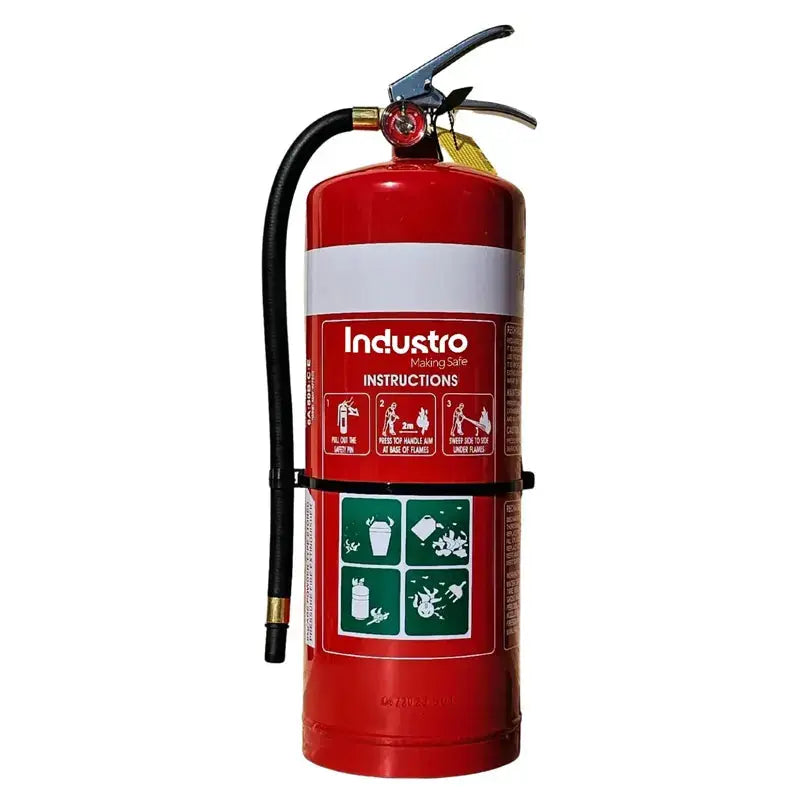
ABE extinguishers are among the most commonly used fire extinguishers in warehouses because they can address multiple fire types.
They provide protection against:
- Class A fires involving combustible materials
- Class B fires involving flammable liquids
- Class E fires involving energised electrical equipment
This versatility makes them suitable for many warehouse environments.
2.5kg ABE Fire Extinguishers
Suitable for:
- Small storage facilities
- Office areas
- Service vehicles
- Equipment rooms
4.5kg ABE Fire Extinguishers
A popular choice for:
- General warehouse areas
- Storage facilities
- Loading docks
- Operational workspaces
9kg ABE Fire Extinguishers
Suitable for:
- Large warehouses
- Distribution centres
- High-risk storage areas
- Industrial facilities
The larger capacity provides extended firefighting capability where additional protection may be required.
Buy ABE Dry Chemical Fire Extinguishers
Fire Extinguishers for Distribution Centres
Modern distribution centres often operate around the clock and process large volumes of inventory.
Common risks include:
- Conveyor systems
- Automated equipment
- Electrical infrastructure
- Forklift operations
- High-density storage
Fire extinguishers should be positioned strategically throughout operational areas to support rapid emergency response.
Fire Extinguishers for Logistics Warehouses
Logistics facilities frequently experience:
- Continuous vehicle movement
- Frequent loading and unloading
- High stock turnover
- Large workforces
Appropriate fire protection equipment helps support both safety and business continuity.
Fire Extinguishers for Manufacturing Warehouses
Manufacturing facilities often combine:
- Production activities
- Storage operations
- Packaging processes
- Machinery
The variety of hazards present may require multiple extinguisher types depending on site-specific risks.
Buy Fire Extinguishers
Fire Extinguishers for Storage Facilities
Storage warehouses can contain:
- Consumer goods
- Building materials
- Industrial products
- Spare parts
- Bulk inventory
The type of inventory stored plays a significant role in determining suitable fire protection measures.
Fire Extinguishers for Loading Docks
Loading docks represent high-activity areas where fire risks may arise from:
- Forklift traffic
- Delivery vehicles
- Packaging materials
- Electrical equipment
Accessible fire extinguishers help improve preparedness in these busy operational zones.
Fire Extinguishers for Forklift Operations
Forklifts are critical to warehouse productivity but can introduce fire hazards through:
Internal Combustion Forklifts
Potential risks include:
- Fuel systems
- Engine compartments
- Hydraulic systems
Electric Forklifts
Potential risks include:
- Battery systems
- Charging equipment
- Electrical components
Vehicle-mounted extinguishers can provide additional protection for operators and equipment.
Buy Fire Extinguishers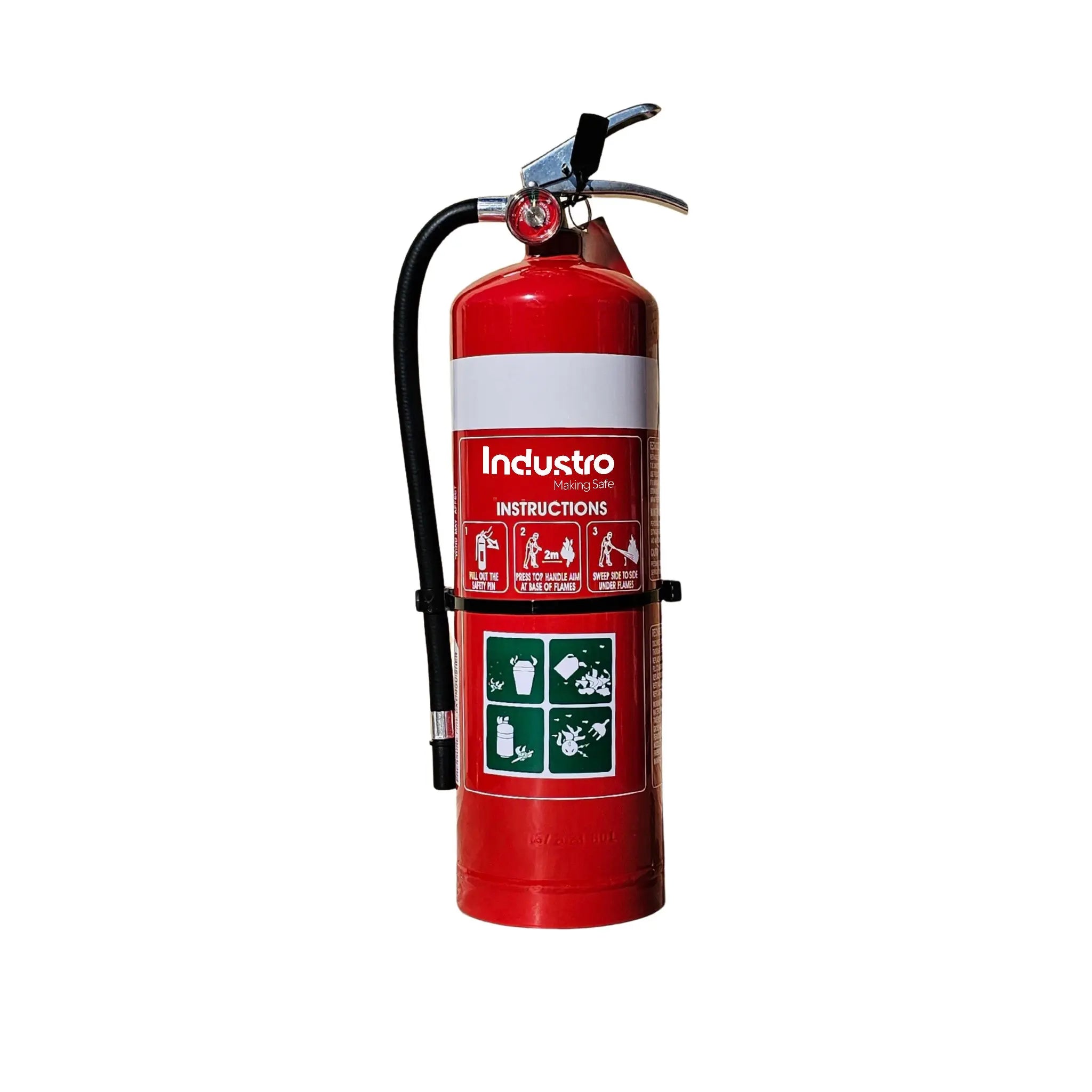
Fire Extinguishers for Battery Charging Areas
Battery charging stations deserve particular attention within modern warehouses.
These areas may involve:
- Charging infrastructure
- Electrical equipment
- Multiple batteries
- High current loads
Appropriate fire protection equipment should be readily accessible within these environments.
Fire Extinguishers for Warehouse Offices
Warehouse office areas commonly contain:
- Computers
- Printers
- Electrical appliances
- Furniture
- Documentation
These spaces often require dedicated fire protection separate from operational warehouse areas.
Fire Extinguishers for Warehouse Workshops
Many warehouses include maintenance workshops where activities such as:
- Welding
- Grinding
- Equipment repairs
- Mechanical servicing may take place.
These activities can increase fire risks and should be supported by suitable fire protection measures.
Buy Fire ExtinguishersFire Extinguisher Placement in Warehouses
Proper placement is critical to effective emergency response.
Fire extinguishers should be:
- Clearly visible
- Easily accessible
- Protected from damage
- Located near identified hazards
- Positioned along common travel paths
Areas often requiring fire extinguishers include:
- Warehouse entrances
- Exit routes
- Loading docks
- Electrical rooms
- Battery charging areas
- Workshops
- Office areas
- Forklift operating zones
Warehouse Fire Safety Planning
Fire extinguishers are most effective when incorporated into a broader fire safety strategy.
Warehouse operators should consider:
Risk Assessments
Regular reviews of:
- Storage arrangements
- Hazardous materials
- Electrical infrastructure
- Operational processes
Staff Awareness
Workers should understand:
- Extinguisher locations
- Emergency procedures
- Evacuation routes
- Incident reporting requirements
Housekeeping
Good housekeeping can significantly reduce fire risk by controlling combustible materials and maintaining clear access routes.
Maintenance Programs
Routine inspections help ensure extinguishers remain ready for use.
Inspection and Maintenance
Warehouse environments can expose extinguishers to dust, impacts and general wear.
Routine inspections may include:
- Pressure gauge checks
- Hose inspections
- Cylinder condition assessments
- Bracket inspections
- Service tag verification
- Accessibility checks
Any extinguisher that is damaged, discharged or overdue for servicing should be addressed promptly.
Warehouse Fire Protection and Compliance
Warehouse fire safety requirements can vary depending on:
- Facility size
- Building design
- Inventory types
- Operational activities
- Workplace risk assessments
Businesses should ensure their fire protection measures align with applicable workplace safety obligations and facility requirements.
Frequently Asked Questions About Warehouse Fire EXTINGUISHERS
ABE dry chemical fire extinguishers are commonly used because they provide protection against combustible materials, flammable liquids and electrical fires.
The number required depends on warehouse size, layout, hazards and risk assessments.
They should be located in accessible positions near exits, work areas, loading docks, electrical equipment and identified hazards.
Suitable fire protection measures are generally required as part of workplace safety and emergency preparedness.
Many warehouses utilise 4.5kg and 9kg extinguishers due to their versatility and extinguishing capacity.
Yes. Battery charging areas present unique fire risks and should be supported by appropriate fire protection equipment.
In many cases, yes, although extinguisher selection should reflect the specific hazards present within each area.
Regular inspections should be carried out to ensure extinguishers remain operational and readily available.
Electrical faults, forklift operations, pallet storage, packaging materials, battery charging stations and flammable liquids are among the most common risks.
Early intervention during a small fire may significantly reduce damage and operational disruption.
Shop Warehouse Fire Extinguishers Online
Industro supplies warehouse fire extinguishers for storage facilities, logistics operations, distribution centres, manufacturers, wholesalers and industrial businesses across Australia. Whether you require extinguishers for a small warehouse or a large-scale distribution facility, we offer reliable fire protection solutions designed to help keep your people, inventory and operations protected.