
Safety Sign Requirements Australia
Understanding workplace safety sign requirements is essential for every Australian business.
Whether you operate a construction site, warehouse, manufacturing facility, office, mine, healthcare facility or retail business, safety signs help communicate hazards, identify emergency equipment, reinforce workplace procedures and support compliance with Work Health and Safety (WHS) obligations.
However, many employers are unsure exactly when safety signs are required, which Australian Standards apply and how to determine which signs are appropriate for their workplace.
This guide explains Australia's safety sign requirements, the different categories of workplace safety signs, employer responsibilities, common signage mistakes and practical guidance for selecting appropriate signage.
Whether you're establishing a new workplace or reviewing your existing signage, this resource will help you understand the role of safety signs within an effective workplace safety system.
What Are Workplace Safety Signs?
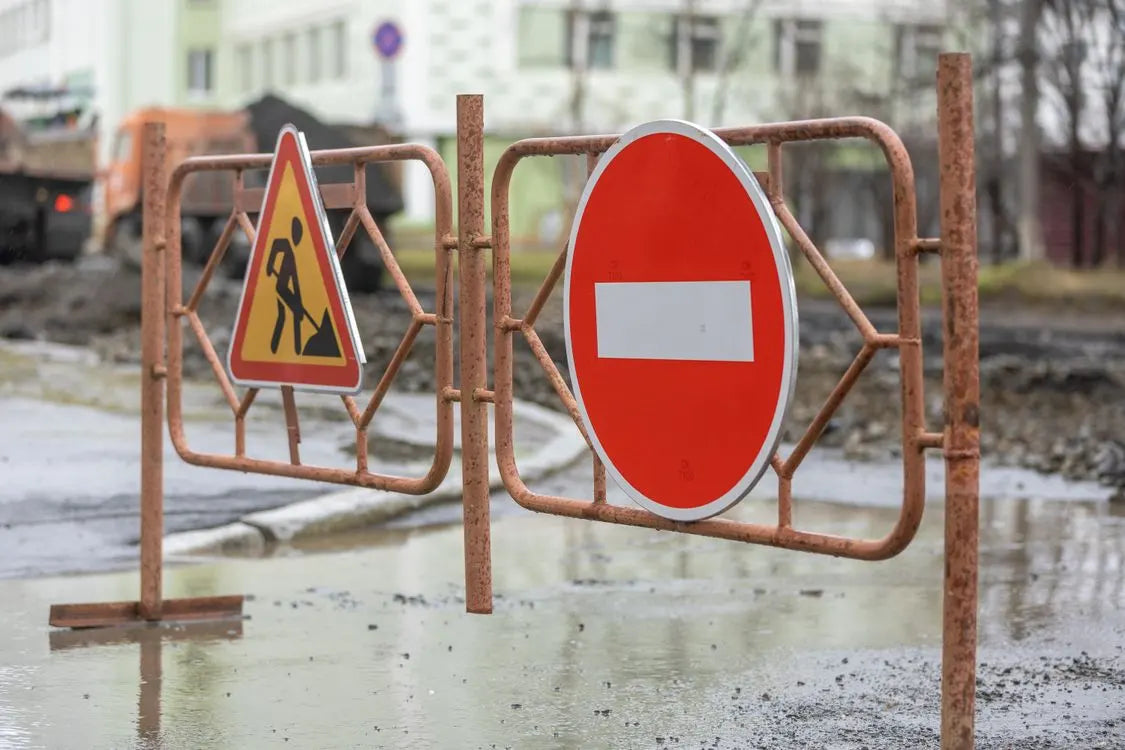
Workplace safety signs communicate information that helps protect workers, contractors, visitors and members of the public from workplace hazards.
Safety signs provide visual instructions that can:
- Warn people about hazards
- Identify emergency equipment
- Restrict unsafe behaviour
- Communicate mandatory PPE requirements
- Identify evacuation routes
- Direct workplace traffic
- Reinforce safe work procedures
Safety signs are designed to provide immediate visual communication, allowing people to recognise important information quickly, even in unfamiliar workplaces.
While signage plays an important role in workplace safety, it should always complement broader risk management measures rather than replace them.

Why Safety Signs Matter
Modern workplaces are complex environments.
Workers may encounter:
- Moving forklifts
- Heavy machinery
- Hazardous chemicals
- Electrical installations
- Working at heights
- Vehicle traffic
- Confined spaces
- Fire risks
- Noise
- Dust
- Biological hazards
- Manual handling risks
Safety signs help communicate these hazards consistently across the workplace.
Effective signage can:
- Reduce confusion
- Improve hazard awareness
- Support employee inductions
- Assist contractors
- Improve visitor safety
- Reinforce workplace procedures
- Support emergency response
- Improve workplace organisation
Most importantly, safety signs help communicate information before a person encounters a hazard.
Australian Work Health and Safety Responsibilities
One of the biggest misconceptions is that Australian legislation provides a checklist specifying exactly which signs every workplace must display.
In reality, Australian WHS laws take a risk-based approach.
Businesses are generally required to identify hazards, assess risks and implement appropriate control measures.
Where signage is an appropriate control, employers should ensure it is:
- Suitable for the hazard
- Clearly visible
- Easy to understand
- Properly maintained
- Positioned before the hazard
- Reviewed as workplace conditions change
Safety signs are therefore one part of an overall risk management system rather than a standalone compliance exercise.
For example, a warehouse with frequent forklift traffic may require forklift warning signs and pedestrian signage, while an office environment may require only emergency exit and first aid signage.
Australian Standards for Safety Signs
One of the most important standards governing workplace safety signage in Australia is:
AS 1319:1994 – Safety Signs for the Occupational Environment
This standard provides guidance on:
- Safety sign categories
- Colours
- Symbols
- Design principles
- Sign selection
- Appropriate use
AS 1319 helps create consistency across Australian workplaces so workers can quickly recognise the meaning of different sign types.
The standard groups occupational safety signs into several recognised categories, including:
- Prohibition signs
- Mandatory signs
- Warning signs
- Danger signs
- Emergency information signs
- Fire signs
Using recognised colours, symbols and layouts improves comprehension and reduces confusion, particularly for visitors and contractors moving between different workplaces.
Depending on the industry, additional Australian Standards, Codes of Practice, the National Construction Code (NCC), and state or territory legislation may also apply—for example, requirements relating to emergency exits, electrical installations, hazardous chemicals or road traffic management.
Understanding the Six Categories of Safety Signs
Prohibition Signs
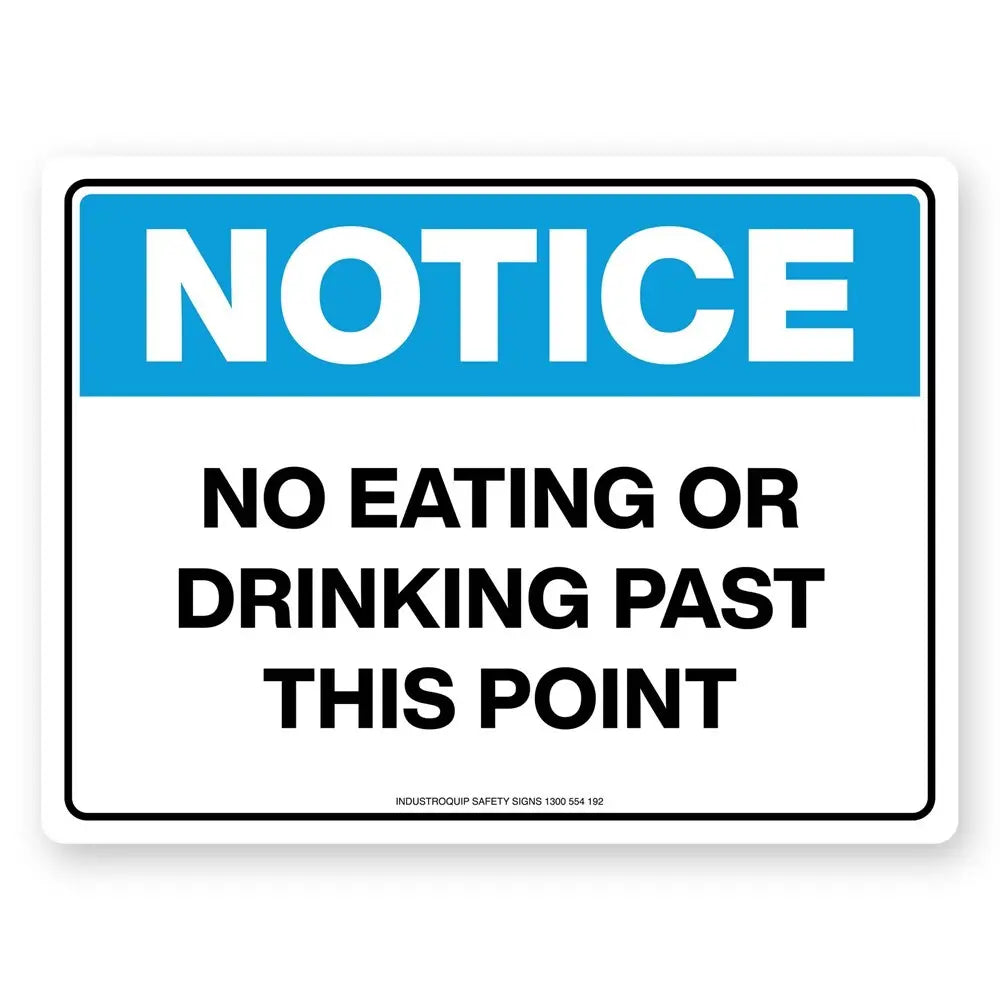
Prohibition signs communicate activities that are not permitted.
Examples include:
- No Smoking
- No Entry
- No Mobile Phones
- No Forklifts
- No Drinking
These signs typically feature a white background with a black symbol inside a red circle crossed by a diagonal red slash.
Buy Prohibition Signs
Mandatory Signs
Mandatory signs communicate actions that must be carried out.
Examples include:
- Eye Protection Must Be Worn
- Hard Hats Must Be Worn
- Hearing Protection Must Be Worn
- Safety Footwear Must Be Worn
Mandatory signs are recognised by their blue circular symbols with white graphics.
Buy Mandatory Signs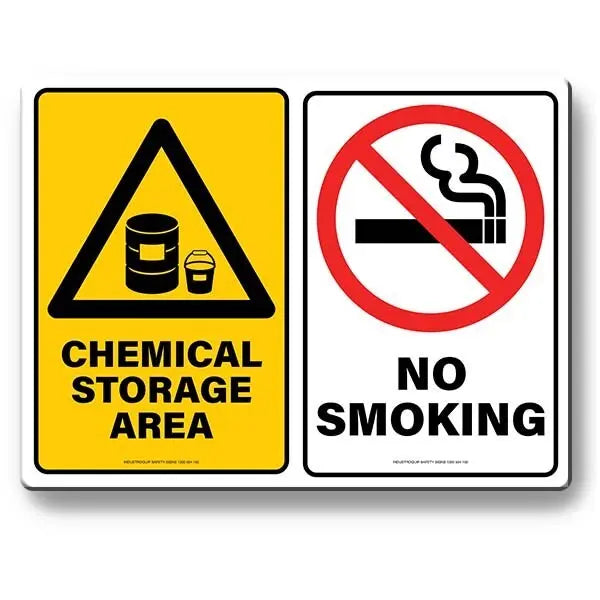
Warning Signs
Warning signs identify hazards requiring people to exercise caution.
Examples include:
- Forklifts Operating
- Slippery Surface
- Trip Hazard
- Uneven Surface
- Overhead Crane
These signs generally feature a yellow background with a black triangular symbol.
Buy Warning Signs
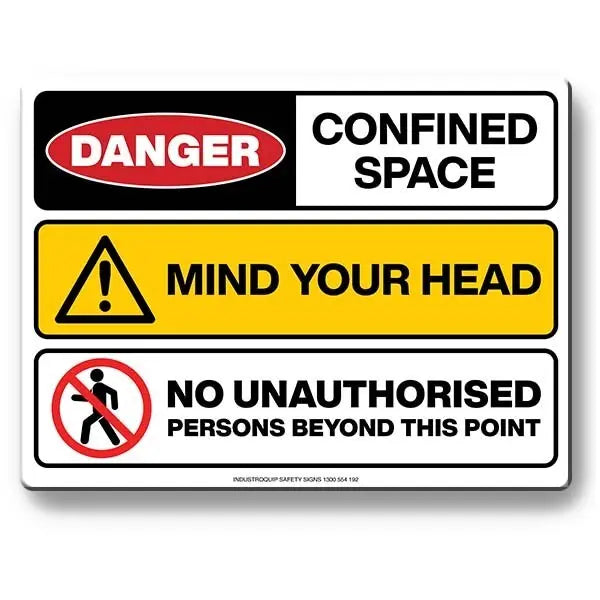
Danger Signs
Danger signs identify hazards that are likely to cause death or serious injury if ignored.
Examples include:
- High Voltage
- Confined Space
- Crushing Hazard
- Live Electrical Equipment
- Asbestos Removal
Danger signs use the distinctive red oval within a black rectangle to indicate a high level of risk.
Buy Danger Signs
Emergency Information Signs
Emergency signs identify emergency facilities and safe egress routes.
Examples include:
- Emergency Exit
- Assembly Point
- First Aid
- AED
- Emergency Shower
These signs typically use a green background with white symbols and text.
Buy Emergency Information Signs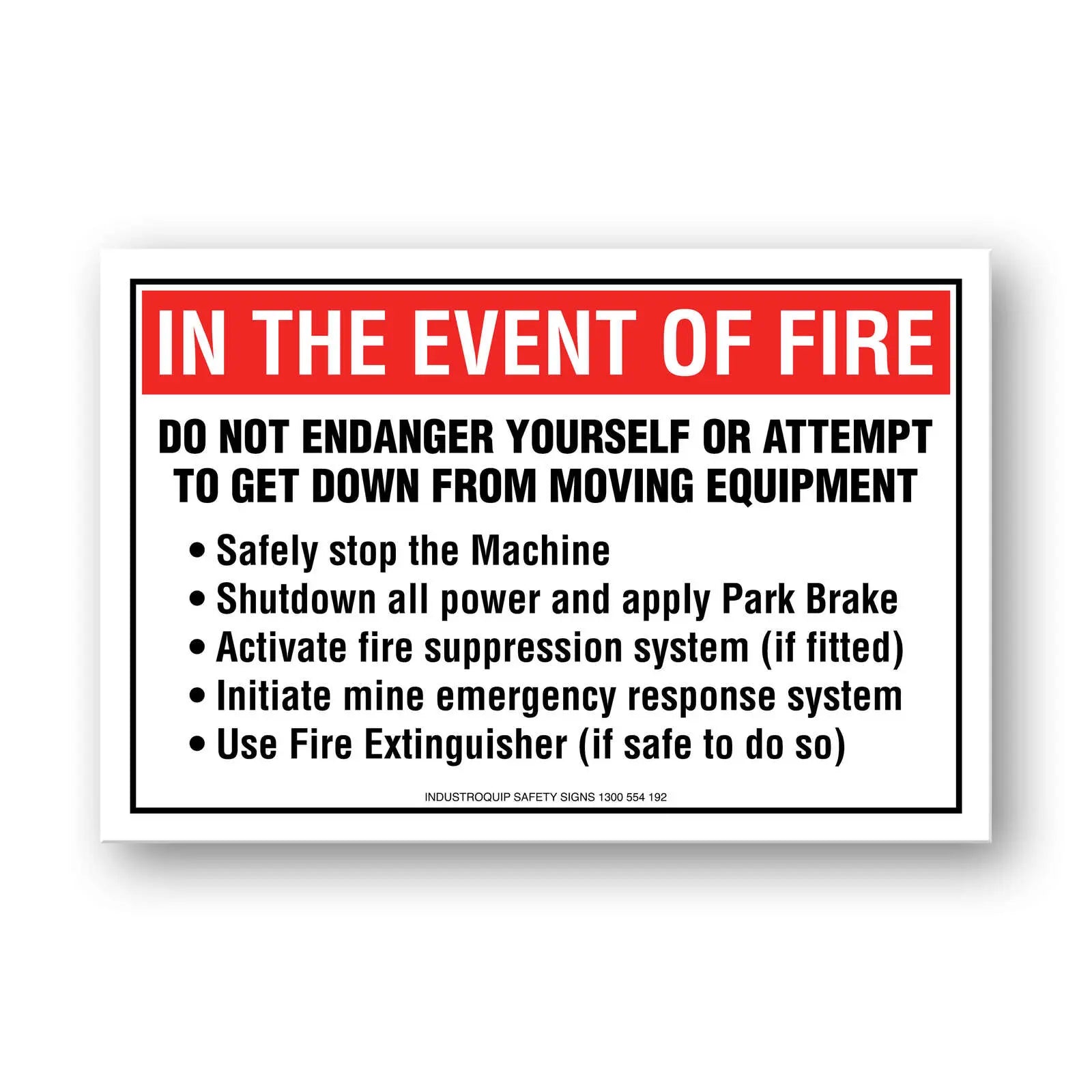
Fire Safety Signs
Fire signs identify the location of firefighting equipment.
Examples include:
- Fire Extinguisher
- Fire Hose Reel
- Fire Blanket
- Fire Alarm
- Fire Hydrant
These signs commonly use a red background with white symbols.
Buy Fire Safety SignsWhen Are Safety Signs Required?
Safety signs should be used whenever they form an appropriate control measure for an identified workplace risk.
Examples include:
- When hazards cannot be completely eliminated
- Where PPE is required
- Where access restrictions apply
- Where emergency equipment must be identified
- Where evacuation routes need to be clearly marked
- Where vehicle and pedestrian traffic interact
- Where hazardous substances are present
- Where visitors require guidance
The specific signage required will vary between workplaces depending on the hazards identified during risk assessments.
Employer Responsibilities
Employers have a responsibility to provide a workplace that is safe, so far as is reasonably practicable.
Where signage forms part of workplace controls, employers should ensure signs are:
- Appropriate for the hazard
- Correctly classified
- Positioned before the hazard
- Easily visible
- Clean and legible
- Not obstructed
- Properly maintained
- Reviewed regularly
- Updated following workplace changes
- Removed when no longer relevant
Signs should support other workplace controls rather than become the only method of hazard management.
Common Workplace Safety Sign Mistakes
Many businesses unintentionally reduce the effectiveness of their signage through poor implementation.
Some of the most common mistakes include:
Using the Wrong Sign Category
Using a danger sign where a warning sign is more appropriate—or vice versa—can confuse workers and reduce the impact of important safety messages.
Installing Signs Too Close to the Hazard
Workers need time to recognise a sign and respond before reaching the hazard. Signs placed after the decision point are far less effective.
Too Many Signs in One Location
A wall covered with dozens of signs can overwhelm people. Prioritise key messages and combine related information where appropriate.
Poor Maintenance
Dirty, faded or damaged signs are easy to overlook. Regular inspections help ensure signage remains visible and effective.
Blocking Signs
Shelving, machinery, stock or parked vehicles should never obscure important safety signage.
Failing to Update Signage
Workplaces evolve over time. Changes to layouts, machinery, emergency exits or traffic routes should trigger a review of the signage.
Relying on Signs Alone
Safety signs are an administrative control. They do not replace higher-level controls such as elimination, substitution, engineering controls, isolation or guarding.
Conducting a Workplace Signage Review
A workplace signage review should consider:
- Current hazards
- Employee movements
- Visitor access
- Vehicle routes
- Emergency exits
- Fire equipment
- First aid facilities
- PPE requirements
- Restricted areas
- Chemical storage
- Machinery hazards
- Temporary works
- Outdoor hazards
- Visibility
- Lighting
- Sign condition
- Mounting height
- Viewing distance
Regular reviews help ensure signage remains relevant as the workplace changes.
Why Choose Industro?
Industro supplies a comprehensive range of Australian workplace safety signs suitable for virtually every industry.
Our range includes:
- Mandatory Signs
- Warning Signs
- Danger Signs
- Prohibition Signs
- Emergency Information Signs
- Fire Safety Signs
- Construction Site Signs
- Warehouse Safety Signs
- Forklift Signs
- Custom Safety Signs
With multiple materials, custom manufacturing, expert advice and fast Australia-wide delivery, we help businesses create safer, more organised workplaces with signage designed to meet real-world operational requirements.