
Mandatory Safety Signs
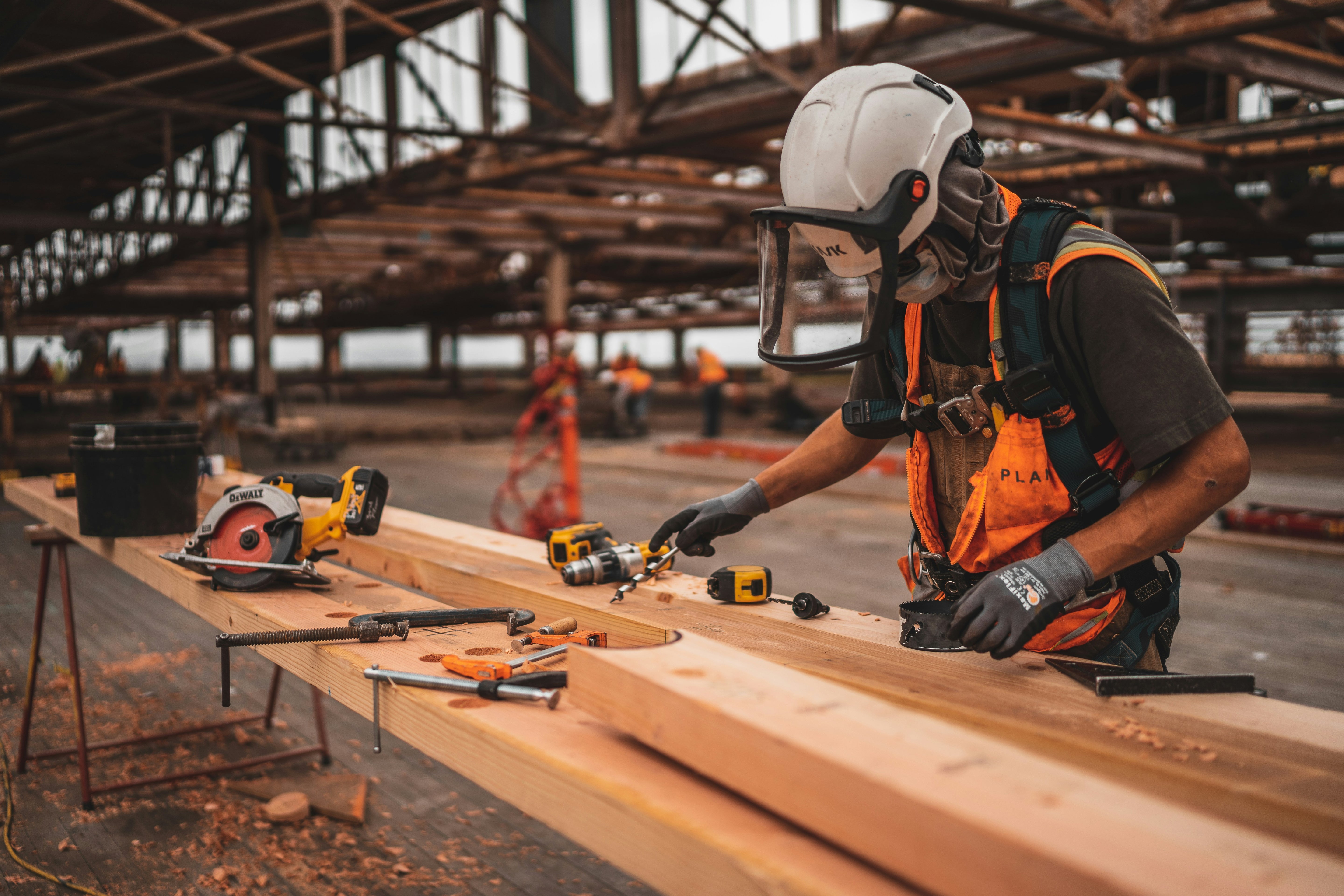
Help create a safer, more compliant workplace with high-quality mandatory safety signs designed to clearly communicate actions that must be followed before entering hazardous work areas.
Industro supplies a comprehensive range of mandatory signs for Australian workplaces, including eye protection signs, hearing protection signs, hard hat signs, safety footwear signs, respirator signs, glove signs and many other personal protective equipment (PPE) requirements.
Mandatory signs play an important role in helping workers, contractors and visitors understand the actions required to reduce workplace risks. From construction sites and warehouses to manufacturing plants, mining operations, laboratories and food production facilities, clear mandatory signage helps reinforce safe work practices and workplace expectations.
Available in a range of materials including polypropylene, aluminium composite panel (ACM), metal, self-adhesive vinyl and reflective options, our mandatory safety signs are suitable for both indoor and outdoor industrial environments.
Whether you require a single replacement sign or a complete workplace signage package, Industro offers practical advice, quality products and fast delivery throughout Australia.
What Are Mandatory Safety Signs?
Mandatory safety signs communicate an action that must be carried out.
Unlike warning signs that advise people about hazards, or prohibition signs that identify activities that are not allowed, mandatory signs instruct people to take a specific action before entering an area or commencing work.
Most commonly, mandatory signs relate to personal protective equipment (PPE), although they can also communicate hygiene requirements, safe operating procedures and access conditions.
Examples include:
- Safety Helmets Must Be Worn
- Eye Protection Must Be Worn
- Hearing Protection Must Be Worn
- Respiratory Protection Must Be Worn
- Protective Gloves Must Be Worn
- Safety Footwear Must Be Worn
- Face Shield Must Be Worn
- High-Visibility Clothing Must Be Worn
- Safety Harness Must Be Worn
- Wash Hands Before Returning to Work
- Use Hand Sanitiser
- Keep This Door Closed
- Disconnect Power Before Servicing
Mandatory signs are used wherever workplace procedures require a particular action to reduce risk.
Rather than leaving workers to decide whether PPE is necessary, mandatory signage communicates the requirement clearly before they enter the affected area.
Why Mandatory Signs Matter
Many workplace hazards cannot be completely eliminated.
Workers may still need to enter areas containing:
- Flying particles
- Excessive noise
- Falling objects
- Dust
- Chemical splashes
- Moving machinery
- Sharp materials
- Hazardous substances
- Biological contaminants
- High-pressure equipment
- Electrical installations
Where PPE forms part of the workplace risk controls, mandatory signs reinforce those requirements at the point where they matter most.
Clear signage helps:
- Reduce confusion
- Reinforce training
- Improve visitor awareness
- Assist contractors unfamiliar with the workplace
- Support site inductions
- Promote consistent PPE use
- Improve workplace organisation
- Help communicate employer expectations
Mandatory signs work best when combined with proper training, supervision, safe work procedures and appropriate PPE.

Understanding Mandatory Safety Sign Colours
One of the reasons mandatory signs are recognised so quickly is their consistent colour scheme.
Throughout Australia and internationally, mandatory safety signs use a distinctive design that immediately communicates an instruction rather than a warning.
Typical features include:
- Blue circular background
- White symbol
- White border (where applicable)
- Supporting wording beneath the symbol
The blue circle has become widely recognised as indicating an action that must be taken.
Because workers become familiar with this colour system across different workplaces, they can often recognise the type of message before reading the text.
Maintaining consistency helps improve recognition, particularly on busy worksites where employees make rapid decisions.
Mandatory Safety Signs and Australian Standards
AS 1319:1994, Safety signs for the occupational environment, remains Australia's recognised standard for the design and use of occupational safety signs.
Within this system, mandatory signs are intended to communicate required actions that help reduce exposure to workplace hazards.
Using recognised colours, symbols and layouts makes signs easier to interpret and promotes consistency across different workplaces.
Different industries may also have additional requirements under Work Health and Safety legislation, Codes of Practice or industry-specific standards.
Businesses should always ensure the selected signage reflects the actual hazards identified through their workplace risk assessment.
Eye Protection Signs
Eye injuries remain one of the most common workplace incidents across construction, manufacturing and industrial environments.
Activities such as grinding, cutting, drilling, welding and chemical handling can expose workers to:
- Flying particles
- Sparks
- Metal fragments
- Dust
- Chemical splashes
- Compressed air
- Timber chips
- Concrete particles
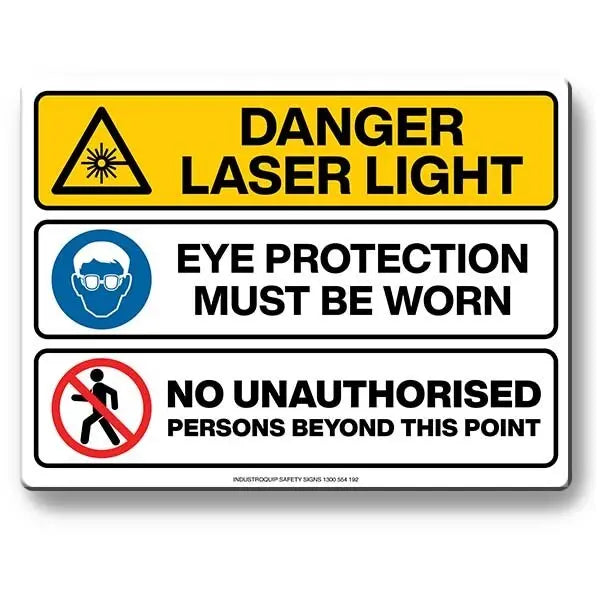
Eye protection signs clearly communicate when safety glasses or goggles are required.
Common eye protection signs include:
- Eye Protection Must Be Worn
- Safety Glasses Required
- Protective Eyewear Must Be Worn
- Goggles Must Be Worn
- Face Shield Must Be Worn
- Welding Helmet Must Be Worn
Typical applications include:
- Workshops
- Manufacturing plants
- Warehouses
- Construction sites
- Laboratories
- Fabrication facilities
- Mechanical workshops
- Timber processing plants
- Concrete batching facilities
Eye protection signs should be positioned before the worker enters the hazardous area.

Hearing Protection Signs
Many industrial workplaces expose employees to hazardous noise.
Where hearing protection forms part of workplace risk controls, mandatory signs reinforce the requirement before workers enter noisy environments.
Typical hearing protection signs include:
- Hearing Protection Must Be Worn
- Ear Protection Required
- Hearing Protection Area
- Wear Hearing Protection Beyond This Point
Common applications include:
- Manufacturing
- Engineering workshops
- Quarries
- Mining
- Construction
- Timber mills
- Recycling facilities
- Compressor rooms
- Generator rooms
Position signs at the boundary of the designated hearing protection area rather than beside the machinery itself.

Hard Hat Signs
Head protection signs are particularly common on construction sites, infrastructure projects and industrial facilities.
Typical wording includes:
- Safety Helmets Must Be Worn
- Hard Hats Must Be Worn
- Head Protection Required
- No Entry Without Safety Helmet
These signs are generally positioned at:
Site entrances
Scaffold access
Crane operating areas
Loading zones
Maintenance work areas
Industrial plants

Protective Glove Signs
Gloves protect workers from numerous hazards including:
- Cuts
- Abrasions
- Heat
- Chemicals
- Biological materials
- Sharp edges
- Hot surfaces
Common mandatory glove signs include:
- Protective Gloves Must Be Worn
- Chemical Resistant Gloves Required
- Cut Resistant Gloves Must Be Worn
- Wear Protective Gloves
Glove signs are commonly installed in:
- Chemical storage rooms
- Workshops
- Laboratories
- Food production facilities
- Waste handling areas
- Maintenance workshops

Respirator Signs
Respiratory protection signs communicate when workers must wear suitable respiratory equipment.
These signs may apply where exposure exists to:
- Dust
- Welding fumes
- Silica
- Vapours
- Chemical mists
- Biological contaminants
- Smoke
- Fibres
Typical signs include:
- Respiratory Protection Must Be Worn
- Dust Mask Must Be Worn
- Respirator Required Beyond This Point
- Approved Respirator Required
Respirator signs should correspond with the workplace respiratory protection program and selected PPE.

Safety Footwear Signs
Foot protection remains mandatory across many industrial workplaces.
Typical signs include:
- Safety Footwear Must Be Worn
- Steel Cap Boots Required
- Protective Footwear Must Be Worn
Applications include:
- Warehouses
- Construction
- Manufacturing
- Freight terminals
- Workshops
- Mining
- Heavy industry
High-Visibility Clothing Signs
High visibility clothing helps improve worker visibility around moving vehicles.
Typical signs include:
- High Visibility Clothing Must Be Worn
- Hi-Vis Vest Required
- Reflective Clothing Must Be Worn
Commonly used in:
- Warehouses
- Construction
- Civil works
- Distribution centres
- Mining
- Airports
- Loading docks
Combined PPE Signs
Many workplaces require multiple PPE items simultaneously.
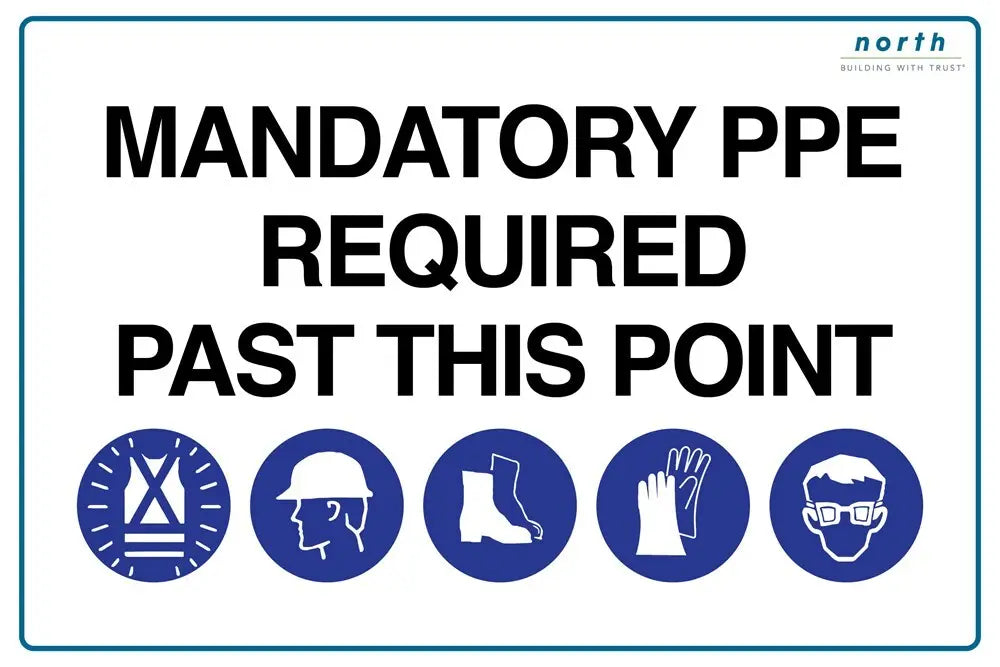
Instead of installing numerous individual signs, a combined mandatory sign may display several symbols together.
For example:
- Hard Hat
- Safety Glasses
- Hearing Protection
- High Visibility Clothing
- Safety Footwear
Combined signs reduce visual clutter while providing clear entry requirements.
Where Should Mandatory Signs Be Installed?
Mandatory signs should be located:
- Before entering hazardous areas
- At room entrances
- At workshop doors
- Beside access gates
- On machinery
- At loading docks
- At construction site entrances
- Near chemical storage
- Before confined spaces
Workers should have sufficient opportunity to comply before entering the controlled area.
Common Mistakes
Some of the most common errors include:
- Installing signs after the hazard
- Using too many different signs together
- Choosing signs that are too small
- Allowing signs to fade
- Leaving obsolete PPE signs in place
- Displaying mandatory signs where PPE is no longer required
- Poor mounting locations
- Obstructed signs
Regular workplace inspections should include signage reviews.
Frequently Asked Questions
Mandatory safety signs indicate an instruction or action that must be carried out to ensure compliance and safety on-site. Unlike warning signs that advise of potential danger, mandatory signs dictate required behavior, such as wearing specific Personal Protective Equipment (PPE) or keeping an area clear.
Per Australian regulations, mandatory signs are easily recognized by a solid blue circle containing a white pictogram (icon) on a white background. Any accompanying text is written in black lettering on a white background below or beside the symbol.
All mandatory safety signs must comply with AS 1319–1994 (Safety signs for the occupational environment). This standard outlines the specific colors, layout, design, and symbols required to maintain legal compliance across Australian workplaces.
Yes. Under Australian Work Health and Safety (WHS) laws, PCBUs (Persons Conducting a Business or Undertaking) are legally required to manage workplace risks. If a risk cannot be entirely eliminated, appropriate safety signage must be used to instruct workers and visitors on mandatory safety controls (like wearing PPE). Failure to display compliant signage can result in severe compliance penalties.
PPE signs must be prominently displayed at the entry points to any designated work area where specific protective gear is required. Common triggers include:
- Entry doors to workshops or laboratories (e.g., "Eye Protection Must Be Worn").
- High-noise zones where hearing protection is required.
- Active construction zones or warehouses requiring hard hats and high-visibility clothing.
Mandatory Signs (Blue & White Circle): Tell you what you must do (e.g., "Footwear Must Be Worn").
Warning Signs (Yellow Triangle with Black Border): Alert you to a specific hazard or danger that isn't immediately life-threatening (e.g., "Slippery When Wet" or "Forklift Crossing").
Signs must be positioned where they are clearly visible, well-lit, and cannot be obstructed by opening doors or stacked inventory.
- At Eye Level: Generally between 1.5m and 1.8m above the floor line.
- At Entry Points: Place them directly on or immediately adjacent to access doors so individuals can view the requirement before entering the hazard zone.
Didn't find what you were looking for?
If you have more questions about AS 1319 compliance, custom layouts, or volume pricing for your facility, feel free to contact us. Our safety specialists are here to help ensure your workplace stays fully compliant. You can reach us via our Contact page.
Order Mandatory Safety Signs from Industro
Create a safer and more organised workplace with high-quality mandatory safety signs from Industro.
Browse our extensive range of PPE signs, eye protection signs, hearing protection signs, hard hat signs, respirator signs, glove signs and workplace mandatory signage, or contact our team for custom solutions tailored to your site.
Whether you need one replacement sign or a complete facility-wide signage package, Industro provides durable products, practical advice and fast Australia-wide delivery.