

Fire Extinguisher Requirements Australia
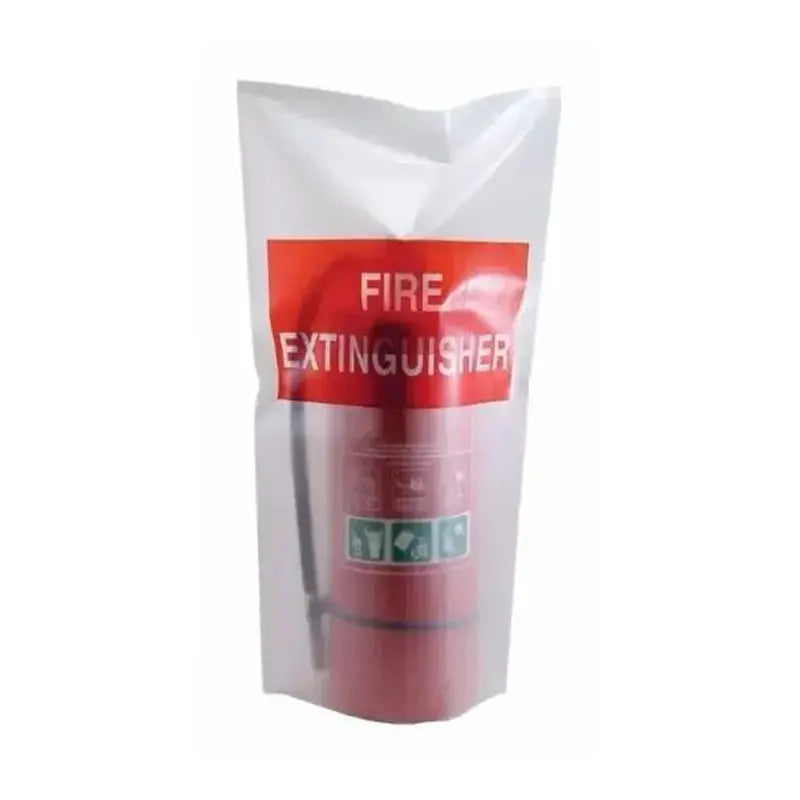
A Complete Guide to Fire Extinguisher Requirements in Australia
Fire extinguishers are one of the most important first-response fire safety measures used throughout Australian workplaces, commercial buildings, construction sites, warehouses, retail stores, schools, healthcare facilities and industrial operations.
However, many business owners are unsure about exactly what fire extinguisher requirements apply to their workplace. Questions such as how many extinguishers are required, what type of extinguisher should be installed, where extinguishers should be located and how often they should be serviced are among the most common fire safety queries in Australia.
The answer depends on a range of factors including the building type, fire hazards present, workplace activities, equipment used and applicable Australian Standards. In most cases, fire extinguishers must be selected and positioned according to the hazards they are intended to protect against and maintained so they remain operational when needed. AS 2444 is the primary Australian Standard covering the selection and location of portable fire extinguishers and fire blankets, while AS 1851 addresses routine maintenance requirements.
This guide explains the key fire extinguisher requirements for Australian businesses and workplaces and provides practical information to help you understand your fire protection obligations.
Are Fire Extinguishers Required in Australian Workplaces?
In most Australian workplaces, fire extinguishers form part of the overall fire protection strategy and workplace safety framework.
Workplaces have a responsibility to manage fire risks and provide suitable emergency response measures where fire hazards exist. Portable fire extinguishers are often one of the first pieces of fire safety equipment installed because they can allow trained occupants to respond to small fires during the early stages of an incident.
The type, quantity and placement of extinguishers should always reflect the specific hazards present within the workplace. A warehouse storing cardboard and packaging materials will have different fire risks from a restaurant kitchen, workshop, fuel depot or office. AS 2444 is specifically intended to assist with selecting the correct extinguisher for the identified fire risks and determining appropriate placement.
What Australian Standards Apply to Fire Extinguishers?
AS 2444 – Portable Fire Extinguishers and Fire Blankets
AS 2444 is the key Australian Standard covering:
- Selection of fire extinguishers
- Location of fire extinguishers
- Fire blanket placement
- Signage requirements
- Accessibility requirements
The purpose of the standard is to ensure that the correct extinguisher is available for the fire risks likely to be encountered within a building or workplace.
AS 1851 – Maintenance of Fire Protection Equipment
AS 1851 governs the ongoing inspection, testing and maintenance of fire protection equipment, including portable fire extinguishers.
Installing an extinguisher is only the first step. Equipment must continue to be inspected and maintained to ensure it remains operational and compliant.
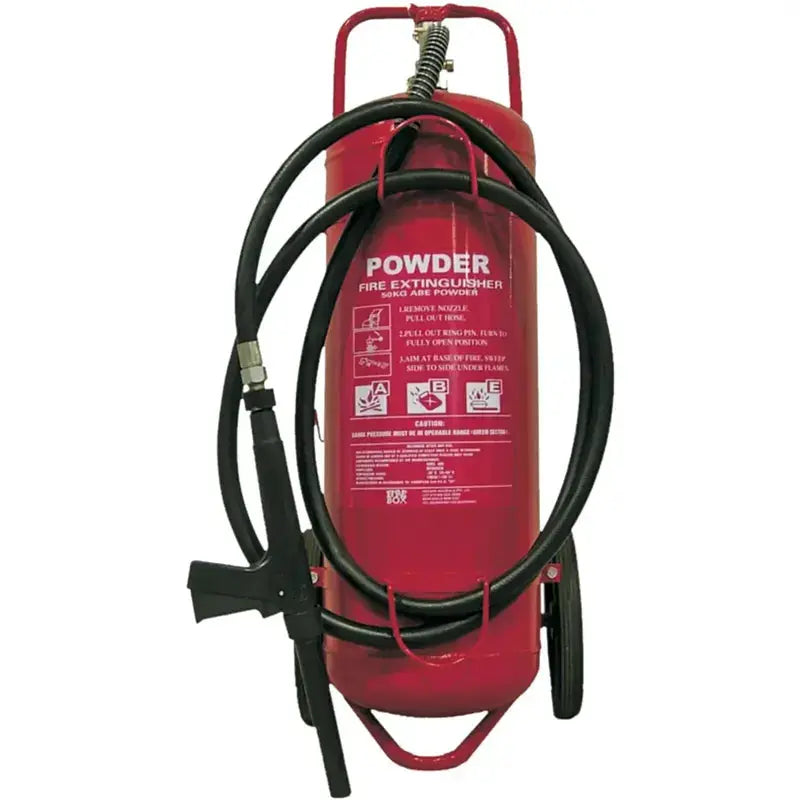
Understanding Fire Classes in Australia
Before selecting a fire extinguisher, it is important to understand the different fire classes.
Class A Fires
Fires involving ordinary combustible materials such as:
- Paper
- Cardboard
- Timber
- Textiles
- Plastics
Class B Fires
Fires involving flammable liquids such as:
- Petrol
- Diesel
- Oils
- Solvents
- Paints
Class C Fires
Fires involving flammable gases such as:
- LPG
- Acetylene
- Natural gas
Class D Fires
Fires involving combustible metals.
These are generally encountered within specialised industrial environments.
Class E Fires
Fires involving energised electrical equipment.
Class F Fires
Fires involving:
- Cooking oils
- Deep fryer oils
- Animal fats
- Vegetable oils
These fire classes form the basis for extinguisher selection throughout Australian workplaces.
What Type of Fire Extinguisher Do I Need?
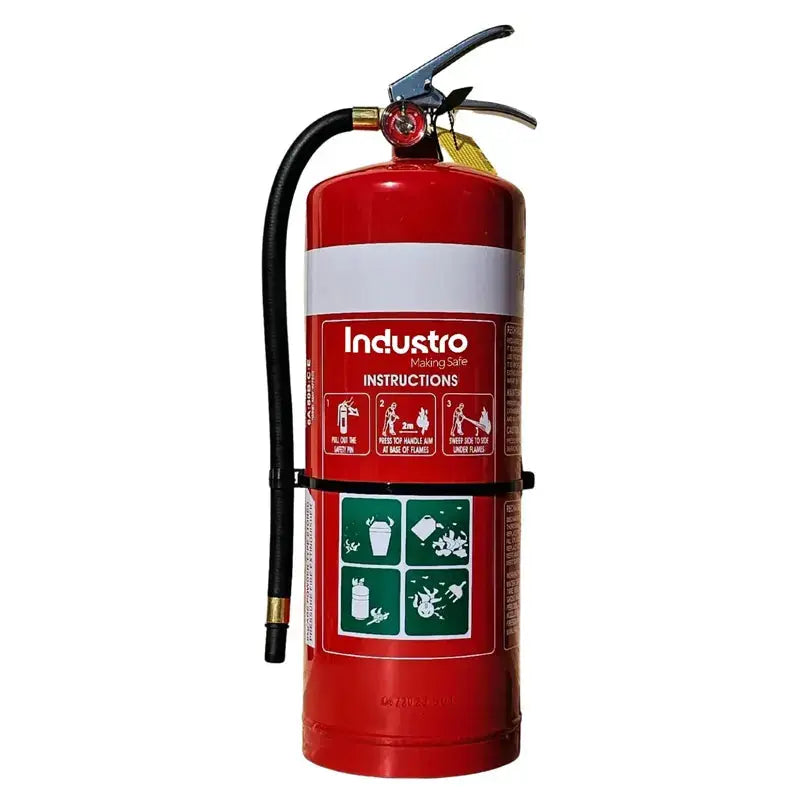
ABE Fire Extinguishers
Suitable for:
- Class A fires
- Class B fires
- Class E fires
Common applications:
- Warehouses
- Workshops
- Construction sites
- Vehicles
- Offices

CO2 Fire Extinguishers
Suitable for:
- Electrical equipment
- Class B fire risks
Common applications:
- Server rooms
- Switch rooms
- Data centres
- Offices
Foam Fire Extinguishers
Suitable for:
- Class A fires
- Class B fires
Common applications:
- Workshops
- Industrial facilities
- Fuel storage areas
Wet Chemical Fire Extinguishers
Suitable for:
- Class F fires
- Commercial kitchens
- Restaurants
- Food preparation areas
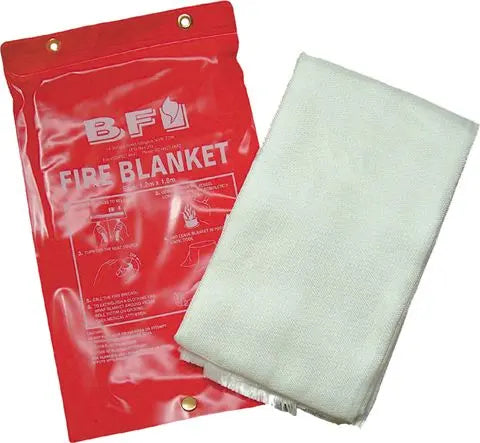
Fire Blankets
Commonly used in:
- Kitchens
- Food preparation areas
- Domestic cooking environments
The correct extinguisher should always match the fire hazards present within the protected area.
Buy Fire BlanketsWhere Should Fire Extinguishers Be Located?
Fire extinguishers must be positioned so they can be easily identified and accessed during an emergency.
General placement principles include:
- Visible locations
- Accessible locations
- Along normal paths of travel
- Near exits where appropriate
- Close to identified fire hazards
- Free from obstructions
AS 2444 generally requires extinguishers to be installed where they can be reached quickly without forcing occupants to move towards a fire.
Fire Extinguisher Mounting Requirements
Proper installation is critical.
AS 2444 includes mounting requirements such as:
- Top handle no higher than 1200mm above floor level
- Bottom of extinguisher at least 100mm above floor level
- Clear access around the extinguisher
These requirements help ensure extinguishers remain visible, accessible and easy to use during an emergency.
Fire Extinguisher Clearance Requirements
A common compliance issue in Australian workplaces is blocked fire extinguishers.
Fire extinguishers should not be obstructed by:
- Stock
- Pallets
- Shelving
- Furniture
- Equipment
AS 2444 requires adequate clearance around extinguishers so they can be accessed quickly when required. Guidance commonly references maintaining approximately 1000mm of unobstructed access around extinguishers.
Fire Extinguisher Signage Requirements
Every fire extinguisher should be clearly identified using compliant signage.
Signage helps workers and visitors quickly locate equipment during an emergency.
Generally, signage should:
- Be clearly visible
- Be mounted above or adjacent to the extinguisher
- Remain visible from a distance
- Identify the extinguisher location
Proper signage becomes particularly important in warehouses, factories, construction sites and large commercial facilities.
Fire Extinguisher Requirements for Offices
Office environments commonly require protection for:
- Electrical equipment
- Computers
- Furniture
- Paper products
Common extinguisher selections include:
- ABE fire extinguishers
- CO2 fire extinguishers
Fire Extinguisher Requirements for Warehouses
Warehouse fire risks often include:
- Packaging
- Pallets
- Electrical equipment
- Forklifts
ABE extinguishers are commonly installed throughout warehouse environments.
Fire Extinguisher Requirements for Construction Sites
Construction sites frequently require extinguishers for:
- Temporary buildings
- Site sheds
- Vehicles
- Plant equipment
- Hot works activities
ABE extinguishers are among the most commonly used extinguisher types within construction environments.
Frequently Asked Questions
Most workplaces require suitable fire protection measures based on the hazards present, and portable fire extinguishers are commonly part of those measures.
AS 2444 covers selection and location of portable fire extinguishers and fire blankets, while AS 1851 covers maintenance requirements.
AS 2444 generally requires the top handle to be no higher than 1200mm above floor level and the base at least 100mm above floor level.
Extinguishers should remain unobstructed and accessible. Guidance commonly references maintaining around 1000mm of clear space around the extinguisher.
Yes. Fire extinguishers should be clearly identified with compliant signage to assist with rapid identification during an emergency.
ABE fire extinguishers are commonly used due to their ability to combat Class A, B and E fire risks.
Wet chemical fire extinguishers are commonly used where cooking oils and fats are present.
Maintenance should be carried out in accordance with AS 1851 and applicable workplace requirements.
Businesses should ensure extinguishers are selected, located and maintained in accordance with applicable Australian Standards and workplace requirements.
Fire Extinguishers and Fire Safety Equipment Australia
Whether you operate a warehouse, construction site, office, commercial kitchen, retail store or industrial facility, understanding Australian fire extinguisher requirements is an important step toward improving workplace safety and compliance. Selecting the correct extinguisher, installing it correctly and maintaining it properly helps ensure that fire protection equipment is available when it is needed most.
Industro supplies fire extinguishers, fire blankets, fire safety signs and workplace fire safety equipment for businesses throughout Australia. From compact vehicle extinguishers to comprehensive workplace fire protection solutions, we provide products designed to help Australian businesses improve safety, preparedness and compliance.
Shop Warehouse Fire Extinguishers Online
Industro supplies warehouse fire extinguishers for storage facilities, logistics operations, distribution centres, manufacturers, wholesalers and industrial businesses across Australia. Whether you require extinguishers for a small warehouse or a large-scale distribution facility, we offer reliable fire protection solutions designed to help keep your people, inventory and operations protected.