
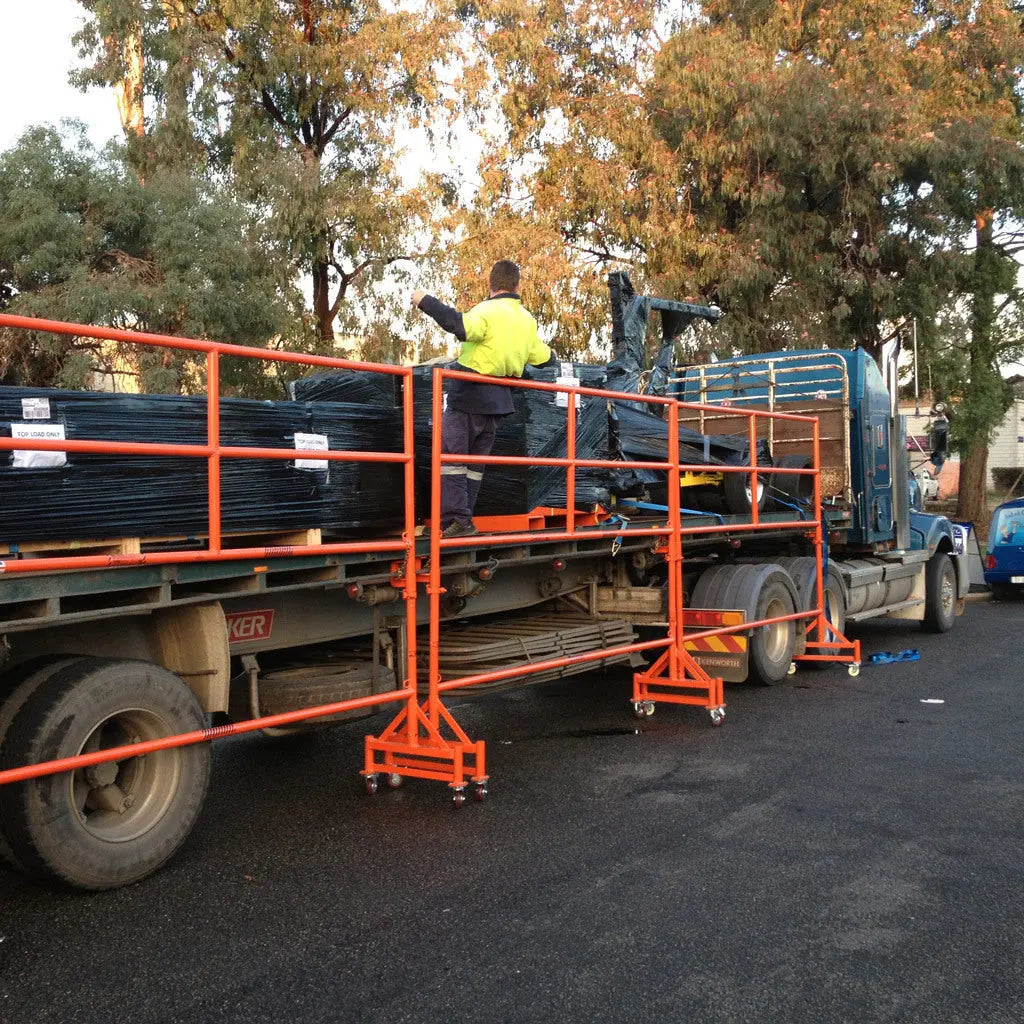
Fire Extinguisher Placement Guide Australia

Where Should Fire Extinguishers Be Located?
Correct fire extinguisher placement is one of the most important aspects of workplace fire safety. Even the best fire extinguisher can be ineffective if it cannot be located quickly during an emergency.
Across Australian workplaces, warehouses, construction sites, offices, factories, retail stores and commercial kitchens, fire extinguishers should be positioned so they are visible, accessible and appropriate for the fire hazards present within the area being protected.
Poor extinguisher placement is one of the most common fire safety issues encountered in workplaces. Fire extinguishers are often blocked by stock, hidden behind equipment, installed in inappropriate locations or placed too far from the hazards they are intended to protect.
This guide explains the key principles of fire extinguisher placement in Australia and provides practical information for businesses seeking to improve workplace fire safety, emergency preparedness and compliance.
Why Fire Extinguisher Placement Matters
During a fire emergency, every second counts.
A fire extinguisher may only be effective if:
- It can be located immediately
- It is accessible without delay
- The correct extinguisher type is available
- The user can safely reach it
Poor placement can result in:
- Delayed emergency response
- Increased fire damage
- Reduced worker safety
- Equipment becoming inaccessible
- Non-compliance issues
- Increased business interruption
Proper extinguisher placement helps ensure fire protection equipment is available when it is needed most.

Australian Standards for Fire Extinguisher Placement
In Australia, the primary standard covering extinguisher selection and location is AS 2444.
The purpose of the standard is to help ensure:
- Appropriate extinguisher selection
- Correct extinguisher location
- Suitable accessibility
- Effective identification through signage
- Appropriate protection for identified fire risks
Businesses should ensure their fire protection equipment aligns with applicable standards and workplace requirements.
General Fire Extinguisher Placement Principles
Regardless of the building type, several placement principles apply across most workplaces.
Fire extinguishers should be:
Clearly Visible
Occupants should be able to identify extinguisher locations quickly during an emergency.
Easily Accessible
Equipment should be reachable without moving obstacles or entering dangerous areas.
Positioned Along Travel Paths
Fire extinguishers are often located along normal access routes and near exits.
Located Near Hazards
Extinguishers should be positioned so they are readily available to address likely fire risks.
Protected from Damage
Equipment should not be exposed to unnecessary impact, weather or operational hazards.
Supported by Appropriate Signage
Signage helps ensure extinguishers can be located quickly even in large or complex workplaces.
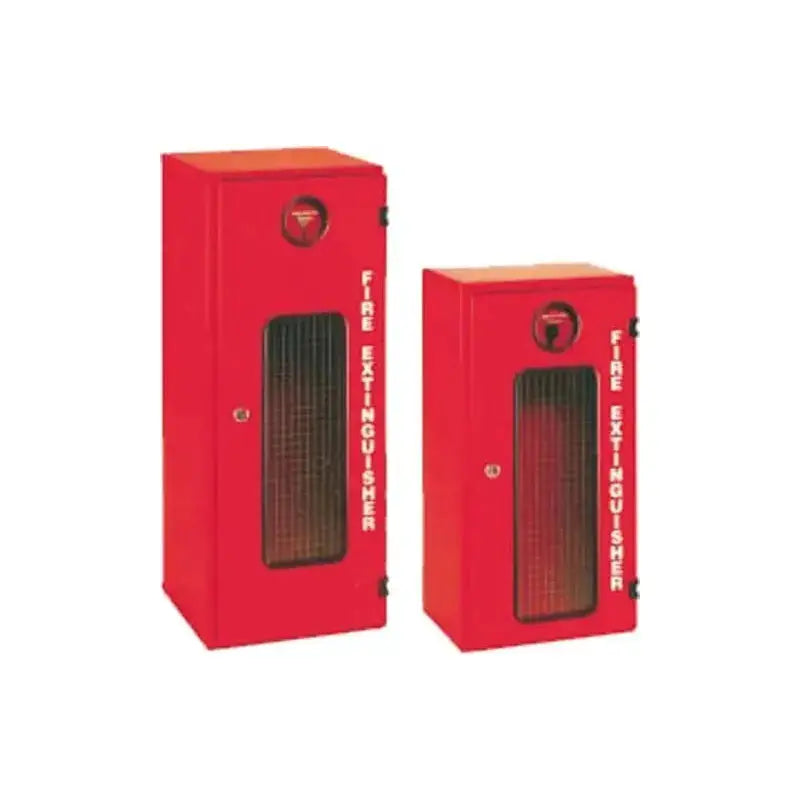
Where Should Fire Extinguishers Be Installed?
The correct location depends on the hazards present within the workplace.
Common locations include:
- Building exits
- Warehouse aisles
- Workshops
- Site sheds
- Electrical rooms
- Loading docks
- Plant rooms
- Kitchen areas
- Vehicle depots
- Storage facilities
Each workplace should assess its specific risks and determine extinguisher locations accordingly.
Fire Extinguishers Near Exits
One of the most common placement strategies is positioning extinguishers near exits.
This approach can provide several benefits:
- Easy identification
- Safe access
- Improved evacuation support
- Reduced likelihood of moving toward a fire
Occupants should generally be able to access extinguishers while maintaining a safe escape route.
Fire Extinguishers Near High-Risk Areas
Fire extinguishers should often be positioned near areas where fire hazards are known to exist.
Examples include:
Electrical Switchboards
Suitable extinguishers may be installed near:
- Main switchboards
- Distribution boards
- Control rooms
- Electrical plant
Fuel Storage Areas
Fire protection may be required near:
- Fuel storage tanks
- Refuelling areas
- Chemical storage locations
Workshops
Workshops often contain:
- Machinery
- Electrical equipment
- Flammable liquids
- Hot works activities
Commercial Kitchens
Kitchen fire protection commonly includes:
- Wet chemical extinguishers
- Fire blankets
Positioned near cooking areas while remaining safely accessible.

Fire Extinguisher Mounting Heights
Proper mounting helps improve visibility and accessibility.
General installation principles include:
- Extinguishers mounted above floor level
- Equipment positioned for easy access
- Visibility maintained
- Signage clearly visible
Extinguishers should not be placed directly on the floor unless specifically designed for that purpose.
Fire Extinguisher Clearance Requirements
A fire extinguisher is only useful if people can reach it.
Common obstructions include:
- Pallets
- Stock
- Shelving
- Machinery
- Furniture
- Equipment
Businesses should ensure extinguishers remain unobstructed at all times.
Regular inspections should confirm that access remains clear.
Fire Extinguisher Signage Requirements
Every extinguisher location should be clearly identified.
Proper signage assists with:
- Rapid equipment identification
- Emergency response
- Worker awareness
- Visitor safety
Signage becomes particularly important in:
- Warehouses
- Factories
- Construction sites
- Large commercial buildings
Fire extinguisher signs should remain visible even when viewed from a distance.
Fire Extinguisher Placement in Offices
Office environments commonly contain:
- Computers
- Printers
- Electrical equipment
- Furniture
- Paper products
Fire extinguishers are often located:
- Near exits
- Along corridors
- Adjacent to electrical equipment
- In common areas
CO2 and ABE extinguishers are commonly used within office environments.
Fire Extinguisher Placement in Warehouses
Warehouses present unique challenges due to:
- Large floor areas
- High shelving
- Inventory storage
- Forklift traffic
Common warehouse locations include:
- Exit points
- Loading docks
- Warehouse aisles
- Battery charging areas
- Electrical rooms
Equipment should remain visible and protected from impact.
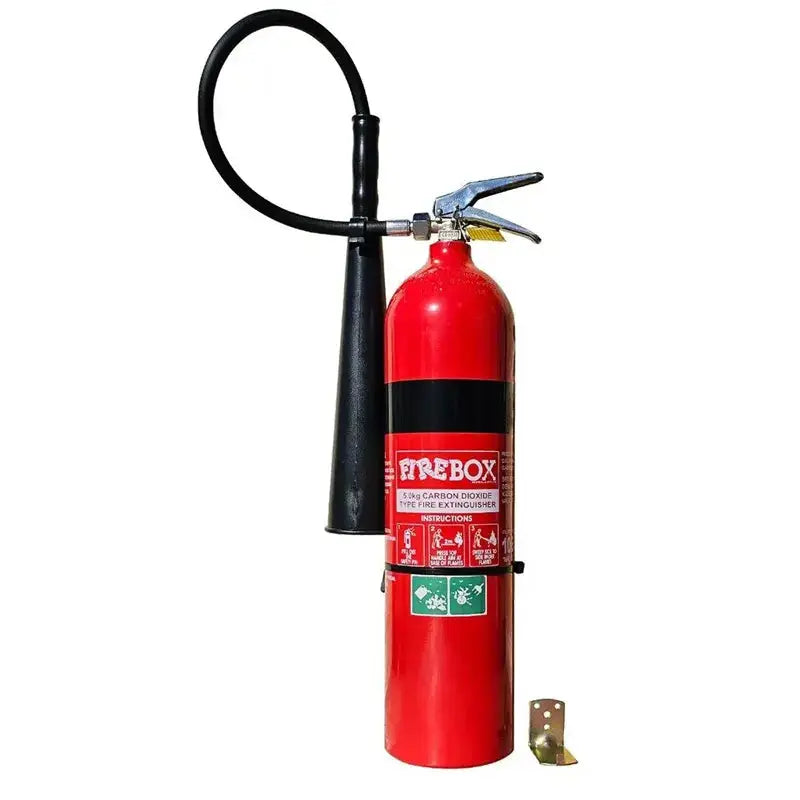
Fire Extinguisher Placement for Forklifts
Forklifts operating in warehouses, industrial facilities and construction environments often carry extinguishers as part of broader workplace fire safety strategies.
Equipment should be mounted securely and positioned for rapid access.
Common Fire Extinguisher Placement Mistakes
Many workplaces make avoidable placement errors.
Common examples include:
Blocking Access
Stock, pallets or equipment preventing access.
Hidden Equipment
Extinguishers concealed behind doors, shelving or machinery.
Incorrect Extinguisher Type
Installing equipment that does not match the identified hazard.
Missing Signage
Extinguishers present but difficult to locate.
Poor Mounting Locations
Equipment mounted too low, too high or in inaccessible positions.
Failure to Review Layout Changes
Particularly common in warehouses and construction sites.
Fire Extinguisher Placement Checklist
A simple placement checklist includes:
✓ Extinguisher visible
✓ Extinguisher accessible
✓ Correct extinguisher type
✓ Suitable signage installed
✓ No obstructions present
✓ Equipment securely mounted
✓ Hazard coverage reviewed
✓ Inspection program in place
✓ Workers aware of locations
✓ Layout changes assessed
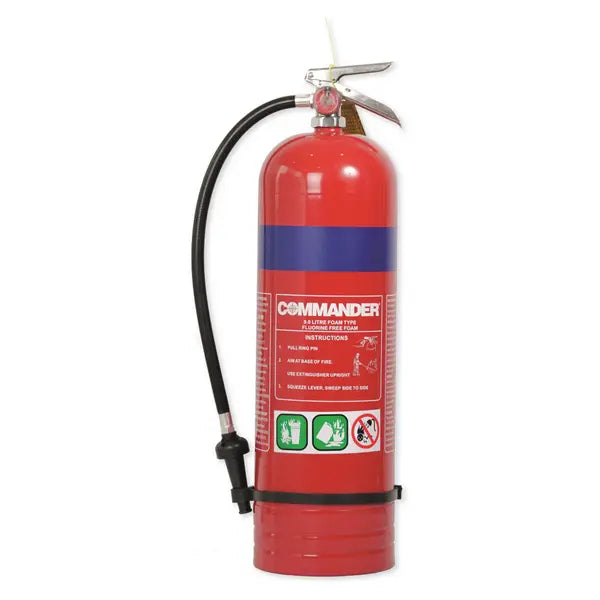
Mounting Vehicle Fire Extinguishers
Proper installation is critical.
A vehicle extinguisher should:
- Be securely mounted
- Be protected from damage
- Remain readily accessible
- Not interfere with vehicle operation
- Be regularly inspected
Vehicle brackets help secure extinguishers and minimise movement during travel.
Inspection and Maintenance
Vehicle fire extinguishers should be inspected regularly to ensure they remain ready for use.
Routine checks may include:
- Confirming pressure indicators are within range
- Inspecting hoses and fittings
- Checking for corrosion or physical damage
- Verifying mounting bracket integrity
- Confirming safety pins remain in place
- Reviewing service and inspection tags
Any damaged or discharged extinguisher should be replaced or serviced immediately.
Vehicle Fleet Fire Safety
Businesses operating fleets can improve safety outcomes by implementing a structured fire protection program.
This may include:
- Standardising extinguisher types
- Routine inspections
- Driver training
- Maintenance schedules
- Vehicle safety audits
A consistent approach helps improve compliance and ensures equipment remains available when needed.
Frequently Asked Questions
Fire extinguishers should be installed where they are visible, accessible and appropriate for the hazards present within the workplace.
Fire extinguishers should remain readily visible and accessible. Concealed equipment may delay emergency response.
Many workplaces position extinguishers near exits because they are easy to locate and can often be accessed while maintaining a safe evacuation route.
No. Extinguishers should remain unobstructed and accessible at all times.
Yes. Signage helps workers and visitors quickly locate fire protection equipment during an emergency.
Common locations include exits, loading docks, warehouse aisles, electrical rooms and battery charging areas.
Wet chemical extinguishers are commonly installed near commercial cooking equipment while remaining safely accessible.
Yes, provided they are protected from weather, damage and environmental exposure where required.
Locations should be reviewed regularly, particularly when workplace layouts or hazards change.
Blocking access with stock, pallets, equipment or furniture is one of the most common issues found in workplaces.
Fire Extinguisher Placement Solutions Australia
Correct fire extinguisher placement is essential for effective workplace fire protection. Selecting the right extinguisher is only part of the solution. Equipment must also be located where it can be identified quickly, accessed safely and used effectively during an emergency.
Industro supplies fire extinguishers, fire blankets, extinguisher signs, extinguisher stands and workplace fire safety equipment for businesses across Australia. Whether you're fitting out a warehouse, construction site, office, workshop, retail store or commercial kitchen, we provide practical fire safety solutions designed to help improve workplace safety, preparedness and compliance.