

Construction Safety Signs
Keep workers, subcontractors, visitors and delivery drivers informed with durable construction safety signs made for Australian building sites.
Industro supplies a comprehensive range of construction site signs, including mandatory PPE signs, danger signs, warning signs, site-entry boards, traffic signs, emergency signs and temporary building-site signage.
Choose from commonly used signs for immediate site requirements or speak with our team about custom signs featuring your company logo, project details, site rules and emergency contacts.
Our construction signs are available in a range of materials and sizes to suit temporary fencing, gates, site offices, hoardings, buildings, machinery, vehicle routes and long-term outdoor installations.
Whether you need one replacement sign or coordinated signage for a major project, Industro offers fast, friendly and flexible service with delivery throughout Australia.
Browse construction safety signs online or contact Industro for assistance with a complete building-site signage package.
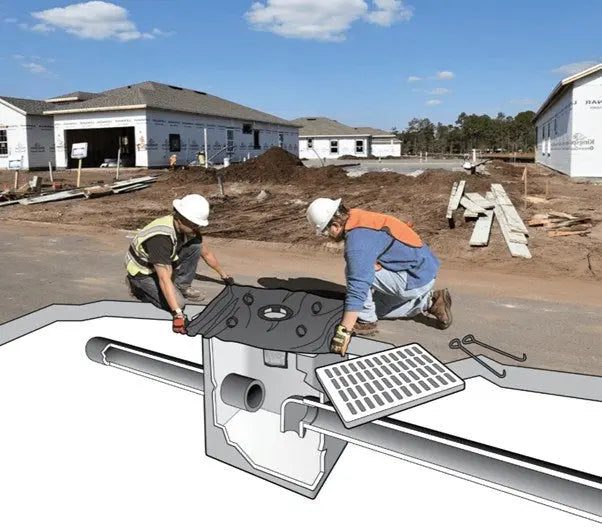
Construction Site Signs for Safer, Better-Organised Projects
Construction sites are constantly changing.
New hazards emerge as excavation, demolition, structural work, fit-out and commissioning progress. Access points move. Vehicle routes change. Different trades arrive, and members of the public may be working or travelling close to the site.
Well-positioned construction signage helps communicate these changes clearly.
Construction site signs can be used to:
- Warn people about serious hazards
- Identify areas where PPE must be worn
- Restrict unauthorised access
- Communicate site-entry conditions
- Direct visitors and delivery drivers
- Separate pedestrians from vehicles
- Mark emergency exits and assembly areas
- Identify first aid and fire equipment
- Display principal-contractor information
- Reinforce site rules and safe behaviour
- Mark temporary work zones
- Identify excavations, overhead work and moving plant
- Direct workers to site offices and amenities
- Provide emergency contact information
Signs are most effective when they form part of a broader safety system. They should support risk assessments, site inductions, physical controls, supervision, safe work method statements, traffic-management arrangements and established work procedures.
A sign can alert a person to a hazard or required action, but it does not remove the hazard itself.
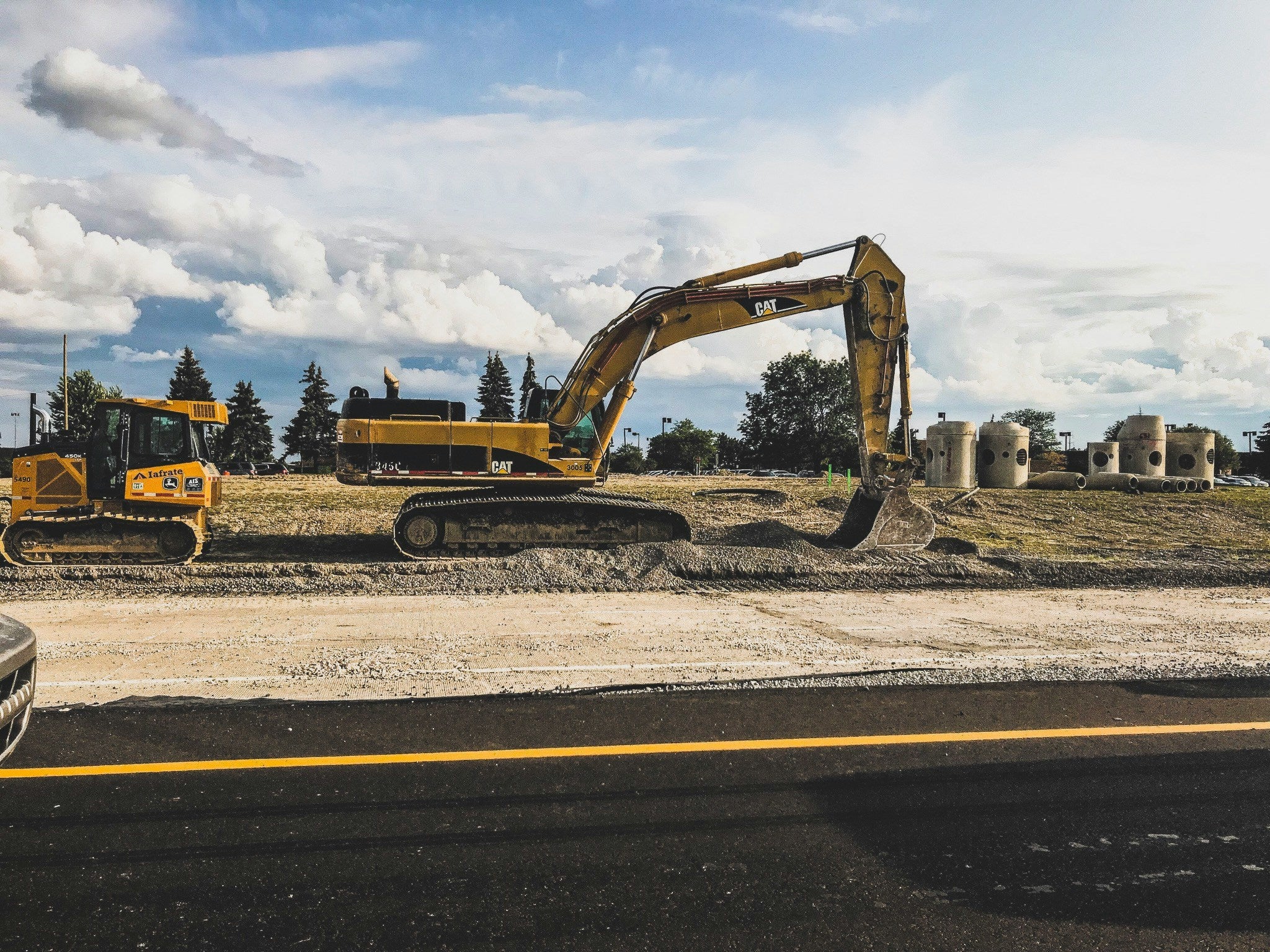
Construction Safety Signs and Australian Requirements
AS 1319:1994, Safety signs for the occupational environment, remains listed as current by Standards Australia. It specifies requirements for the design and use of occupational safety signs intended to regulate safety-related behaviour, warn of hazards and provide emergency information.
Construction-signage requirements can also arise from work health and safety legislation, approved codes of practice, traffic-management arrangements, dangerous-goods requirements and conditions imposed by a road authority, council, project principal or client.
For example, the Model Code of Practice for Construction Work recognises site-specific safety documents such as WHS management plans and traffic-management plans as part of managing construction risks.
The signs required on a particular project will depend on factors including:
- The nature of the construction work
- Site layout
- Public access
- Plant and vehicle movements
- Site-specific hazards
- Emergency arrangements
- Hazardous chemicals
- Work performed near roads
- State or territory requirements
- Principal-contractor obligations
- Client and project specifications
Conduct a site-specific assessment before selecting or installing signage. Signs should be reviewed as the project changes to ensure the displayed information remains accurate and relevant.
Types of Construction Site Signs
Construction projects commonly require several sign categories. Each category communicates a different kind of message and should be selected according to the actual hazard or instruction.

Mandatory Construction Signs
Mandatory signs tell workers and visitors what they must do.
They are commonly identified by a white symbol displayed within a blue circle, supported by clear wording. Mandatory signs are frequently used at site entrances, access points, work areas and locations where particular personal protective equipment is required.
Common mandatory construction signs include:
- Safety Helmets Must Be Worn
- High-Visibility Clothing Must Be Worn
- Safety Footwear Must Be Worn
- Eye Protection Must Be Worn
- Hearing Protection Must Be Worn
- Protective Gloves Must Be Worn
- Respiratory Protection Must Be Worn
- Safety Harnesses Must Be Worn
- Face Protection Must Be Worn
- Visitors Must Report to the Site Office
- All Personnel Must Sign In
- Keep Gates Closed
- Use Pedestrian Walkway
- Wash Hands Before Leaving
- Disconnect Power Before Servicing
Mandatory signs should be installed before the person enters the area where the instruction applies.
A worker should not discover that hearing protection is required after entering a high-noise zone. Similarly, visitors should be informed of site PPE and sign-in requirements before passing through the entry gate.
Combined Mandatory Signs
Where multiple PPE requirements apply across the entire construction site, a combined PPE sign can provide a clear entry instruction.
A typical sign may state:
Construction Site — Safety Helmet, High-Visibility Clothing and Safety Footwear Must Be Worn
Combined signs reduce clutter at site entrances, although separate signs may still be needed within areas requiring additional protection such as eye, hearing, respiratory or fall-protection equipment.
Buy Mandatory Construction Signs
Construction PPE Signs
Personal protective equipment signs are among the most frequently used building-site signs.
PPE requirements can vary across a project. General site PPE might include a hard hat, high-visibility clothing and safety footwear, while individual work areas may require specialised protection.
Common PPE sign applications include:
Hard-Hat Signs
Hard-hat signs are often installed at the main site entrance and at boundaries where overhead work, falling objects or other head-injury hazards may exist.
Typical wording includes:
- Safety Helmets Must Be Worn
- Hard-Hat Area
- Head Protection Must Be Worn Beyond This Point
- No Entry Without a Safety Helmet
High-Visibility Clothing Signs
High-visibility clothing signs are commonly used near vehicle routes, loading zones and active plant areas.
Examples include:
- High-Visibility Clothing Must Be Worn
- Hi-Vis Vest Required Beyond This Point
- Visitors Must Wear High-Visibility Clothing
Safety-Footwear Signs
Construction sites may contain sharp materials, uneven ground, heavy objects and mobile equipment.
Common signs include:
- Safety Footwear Must Be Worn
- Steel-Cap Boots Required
- Protective Footwear Must Be Worn in This Area
Eye and Face Protection Signs
Eye and face protection may be required during grinding, cutting, drilling, welding, concrete work, chemical handling and other activities that can produce dust, particles, sparks or splashes.
Examples include:
- Eye Protection Must Be Worn
- Face Shield Must Be Worn
- Welding Helmet Must Be Worn
- Safety Glasses Required Beyond This Point
Hearing-Protection Signs
Hearing-protection signs are appropriate at boundaries to areas where workers may be exposed to hazardous noise.
Examples include:
- Hearing Protection Must Be Worn
- Hearing-Protection Area
- Ear Protection Required Beyond This Point
Respiratory-Protection Signs
Respiratory signs may be used where risk controls require a particular respirator or mask.
Examples include:
- Respiratory Protection Must Be Worn
- Dust Mask Must Be Worn
- Half-Face Respirator Required
- Do Not Enter Without Respiratory Protection
The sign should support, rather than replace, proper assessment of the respiratory hazard and selection of suitable protective equipment.
Fall-Protection Signs
Fall-protection signs can reinforce controls around work at height.
Examples include:
- Safety Harness Must Be Worn
- Fall-Arrest Equipment Required
- Attach Harness Before Entering
- No Access Without Fall Protection
PPE signs should reflect the equipment actually required under the site’s risk controls. Avoid displaying broad PPE instructions without confirming that the requirement is appropriate for the work area.
Buy Construction PPE Signs
Construction Danger Signs
Danger signs are used for hazards or hazardous conditions that are likely to be life-threatening.
They commonly feature the word DANGER in white letters inside a red oval positioned within a black rectangle. The hazard description appears below the signal word.
Common construction danger signs include:
- Danger Construction Site Keep Out
- Danger No Unauthorised Entry
- Danger Deep Excavation
- Danger Open Trench
- Danger Demolition in Progress
- Danger Overhead Work
- Danger Crane Operating Overhead
- Danger High Voltage
- Danger Live Wires
- Danger Confined Space
- Danger Asbestos
- Danger Unstable Structure
- Danger Blasting
- Danger Explosive Atmosphere
- Danger Scaffolding Incomplete
- Danger Do Not Enter
- Danger Falling Objects
- Danger Excavation Collapse Risk
- Danger Underground Services
- Danger Electrical Switchboard
A danger sign should not be chosen simply because the message is important. It is intended for hazards capable of causing death or very serious injury.
Where the hazard is not likely to be life-threatening, a warning sign may be the more appropriate classification.
Warning Signs for Building Sites
Warning signs alert people to hazards that require caution but are not generally expected to be immediately life-threatening.
They are usually recognised by a yellow background and black hazard symbol or text.
Common construction warning signs include:
- Warning Construction Work in Progress
- Warning Mobile Plant Operating
- Warning Trucks Entering
- Warning Forklifts Operating
- Warning Uneven Ground
- Warning Trip Hazard
- Warning Slippery Surface
- Warning Overhead Crane
- Warning Falling Objects
- Warning Noise Hazard
- Warning Hot Work in Progress
- Warning Fragile Roof
- Warning Wet Concrete
- Warning Reversing Vehicles
- Warning Temporary Power
- Warning Low Clearance
- Warning Excavation
- Warning Open Edge
- Warning Dust Hazard
- Warning Pedestrians
Warning signs should be positioned where people have sufficient time to recognise the hazard and change their behaviour.
For example, a “Trucks Entering” sign should be positioned far enough from the vehicle entrance for approaching road users and pedestrians to react safely.
Buy Construction Danger Signs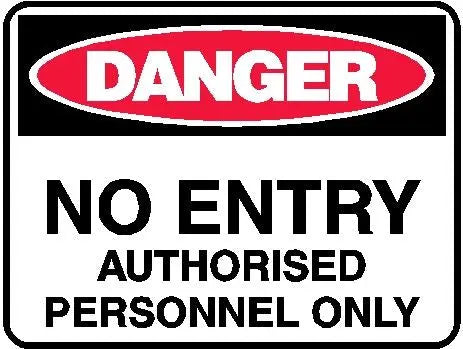
Construction Site Entry Signs
The site entrance is one of the most important signage locations on a construction project.
It is where workers, subcontractors, visitors, inspectors and delivery drivers first encounter site requirements. Entry signage should establish the rules before anyone enters the active work area.
Common construction site-entry signs include:
- Construction Site — No Unauthorised Entry
- All Visitors Must Report to the Site Office
- All Personnel Must Complete Site Induction
- PPE Must Be Worn Beyond This Point
- Authorised Personnel Only
- Keep Gates Closed
- No Children Allowed on Site
- No Entry Without Permission
- Deliveries Report to Site Office
- Drivers Must Remain with Vehicle
- Site Speed Limit
- Security Cameras in Use
- Emergency Contact Details
- Principal Contractor Details
- Site Working Hours
- No Smoking or Vaping
- Alcohol and Drugs Prohibited
- Conditions of Entry Apply
Construction Site Rules Boards
A construction-site rules board combines several important entry instructions into one clearly organised sign.
It may include:
- Required PPE
- Visitor sign-in instructions
- Site-induction requirements
- Emergency contacts
- Site speed limit
- Smoking restrictions
- Mobile-phone rules
- Photography restrictions
- Delivery instructions
- General site conduct
- Emergency assembly information
- Principal-contractor details
A rules board should be easy to scan. Avoid reducing the text to an unreadable size simply to fit every site procedure onto one sign.
The most important instructions should appear first. Detailed policies and procedures can be supplied through site induction, project documentation or a QR code.
Custom Principal-Contractor Signs
Custom construction entry signs can include:
- Principal-contractor name
- Company logo
- Project name
- Site address
- Site manager
- After-hours contact
- Emergency telephone numbers
- Builder licence details
- Site office location
- Delivery instructions
- Working hours
- QR code for digital induction
- Client or developer branding
Industro can assist with custom layouts for individual projects and repeat templates for builders operating across multiple sites.
Buy Construction Site Entry Signs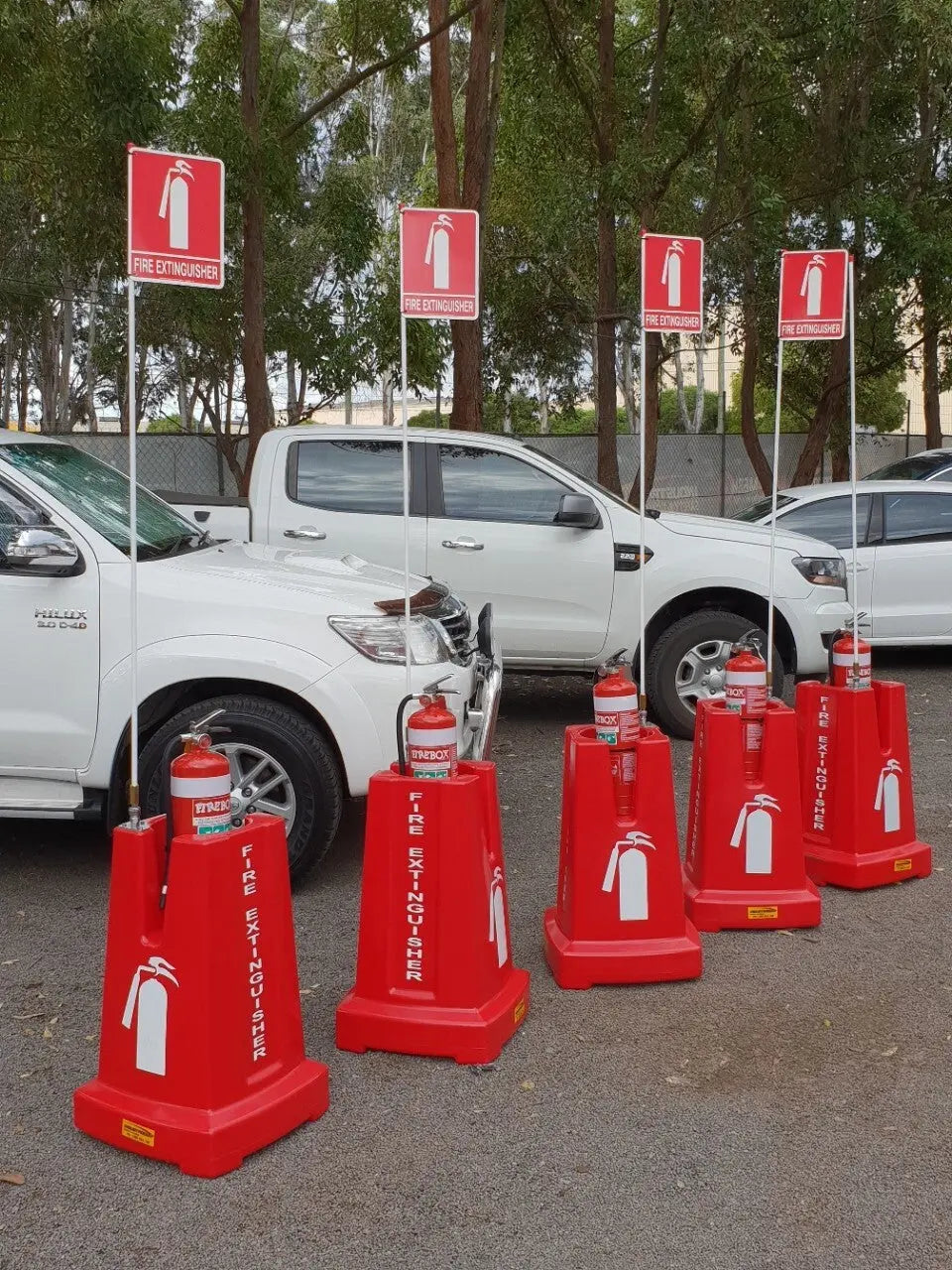
Construction Traffic Signs
Construction sites often combine pedestrians, cars, delivery vehicles, trucks, cranes, forklifts, elevated work platforms and other mobile plant.
Traffic-management signage helps reinforce planned vehicle and pedestrian movements.
Safe Work Australia identifies the planning and control of people, vehicles and goods as part of managing traffic risks in construction workplaces.
Common construction traffic signs include:
- Site Speed Limit
- Stop
- Give Way
- One Way
- No Entry
- Exit Only
- Entry Only
- Trucks Entering
- Heavy Vehicles Turning
- Reversing Vehicles
- Pedestrian Crossing
- Pedestrian Walkway
- No Pedestrian Access
- Delivery Vehicles Report Here
- Loading Zone
- Unloading Area
- No Parking
- Visitor Parking
- Contractor Parking
- Keep Driveway Clear
- Sound Horn
- Watch for Forklifts
- Authorised Vehicles Only
- Height Restriction
- Weight Restriction
- Crane Operating
- Plant Crossing
- Blind Corner
- Engines Must Be Turned Off
Traffic signs should be installed according to the construction workplace’s traffic-management plan and actual site layout.
Where traffic-control devices affect a public road, approval or authorisation from the relevant road authority may be required. Safe Work Australia’s construction traffic guidance specifically notes that authorisation is required for certain traffic-control devices and traffic management on public roads.
Signs alone should not be relied upon to separate people from plant. Physical separation, controlled access, barriers, designated walkways, trained traffic controllers and other measures may also be required.
Buy Construction Traffic Signs
Pedestrian Safety Signs
Pedestrian signs help workers and visitors follow designated routes away from moving vehicles and operating plant.
Common options include:
- Pedestrian Walkway
- Pedestrians This Way
- Use Designated Walkway
- No Pedestrian Access
- Pedestrian Crossing
- Look Both Ways
- Beware of Moving Plant
- Wait Here for Escort
- Visitors Must Be Accompanied
- Keep Within Barriers
- Footpath Closed
- Detour
- Pedestrian Entry
- Emergency Exit Route
Arrows and directional symbols should be large enough to identify from the intended approach.
Where a pedestrian route changes, remove or cover outdated signs promptly. Conflicting directions can encourage people to enter unsafe areas.
Buy Pedestrian Safety Signs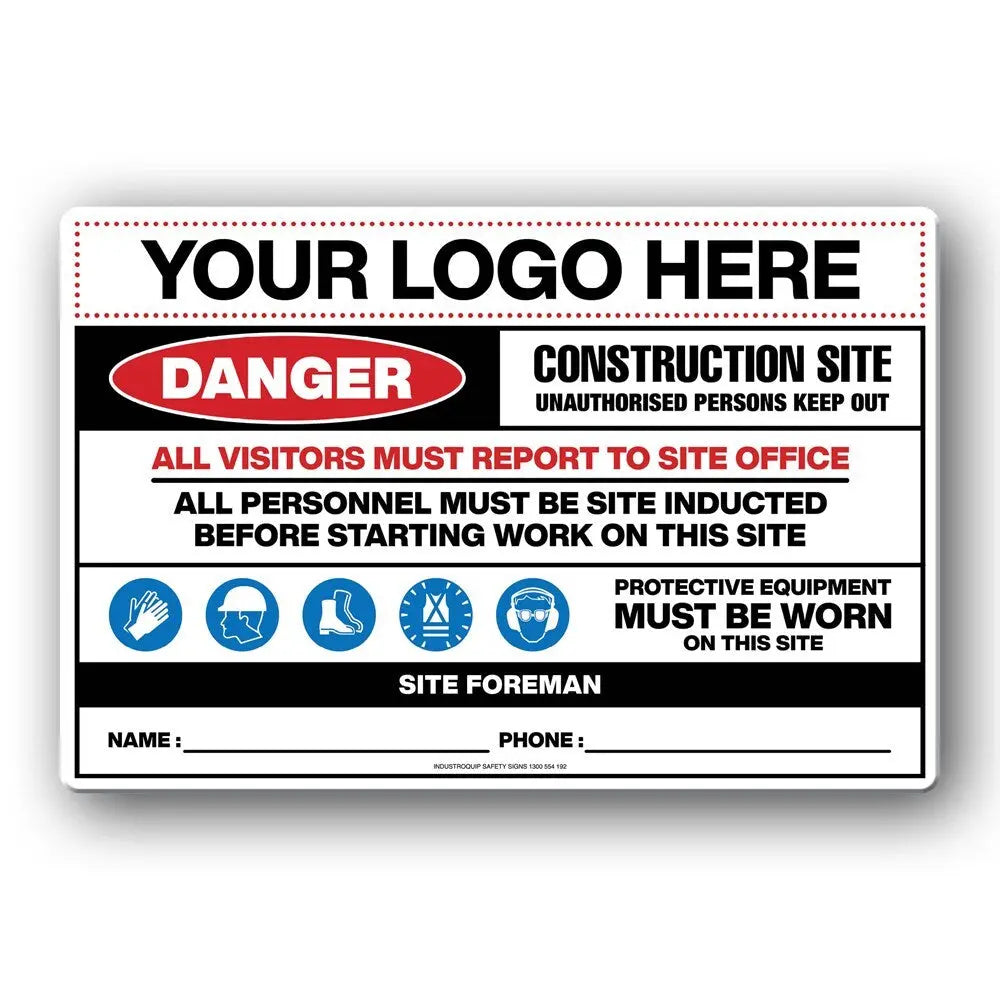
Temporary Construction Signs
Construction sites require signage that can be installed, relocated and removed as work progresses.
Temporary signs are commonly produced from lightweight corflute or polypropylene and secured to:
- Temporary fencing
- Mesh panels
- Barricades
- Hoardings
- Gates
- Star pickets
- Portable sign frames
- Site sheds
- Temporary walls
- Plant and equipment
Common temporary building-site signs include:
- Temporary Walkway
- Footpath Closed
- Temporary Site Entrance
- Work Area Keep Out
- Wet Concrete
- Freshly Painted
- Temporary Power
- Temporary Amenities
- Temporary Emergency Exit
- Temporary First Aid Location
- Crane Operating Today
- Deliveries Use Alternate Gate
- Road Closed
- Detour
- Plant Operating
- Excavation Open
- Do Not Use
- Area Under Maintenance
- Scaffolding Incomplete
- Floor Closed
- Access Restricted
Temporary signs should be inspected regularly. Wind, dust, impact and repeated relocation can damage lightweight materials or turn signs away from their intended audience.
Remove temporary signs when the instruction no longer applies. Leaving obsolete hazard signs in place can reduce trust in the site’s safety communication.
Buy Temporary Construction Signs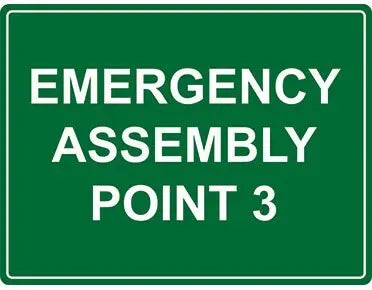
Emergency and First Aid Signs
Emergency signs help people locate essential facilities and follow site procedures during an incident.
Common construction emergency signs include:
- Emergency Assembly Point
- Emergency Exit
- First Aid
- First Aid Officer
- First Aid Room
- Automated External Defibrillator
- Emergency Shower
- Eyewash Station
- Stretcher
- Emergency Telephone
- Spill Kit
- Rescue Equipment
- Emergency Information
- Muster Point
- Evacuation Route
Emergency signs should remain visible throughout each stage of the project.
If a first aid room, assembly point or exit route moves, the signs and evacuation information should be updated immediately.
Buy Emergency and First Aid Signs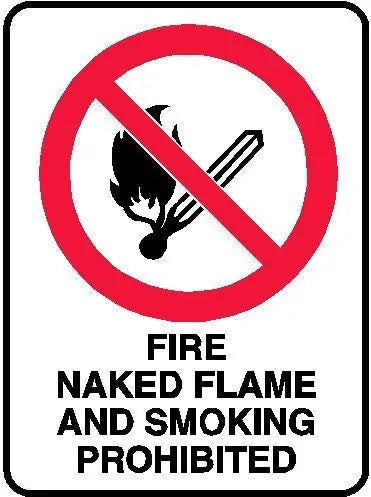
Fire Safety Signs for Construction Sites
Construction sites may contain temporary power, hot work, fuel, gas cylinders, combustible materials and partially completed fire-protection systems.
Fire signage can be used to identify:
- Fire Extinguishers
- Fire Hose Reels
- Fire Blankets
- Fire Alarms
- Fire Hydrants
- Fire Control Panels
- Emergency Shut-Off Points
- Fire Doors
- Fire Equipment Storage
- Hot-Work Areas
- Flammable Storage
- Gas Cylinder Storage
Common instructions include:
- Fire Extinguisher
- Fire Hose Reel
- Fire Equipment Keep Clear
- Do Not Obstruct
- Fire Door — Do Not Block
- Fire Door — Keep Closed
- No Smoking
- No Open Flames
- Hot-Work Permit Required
As the project progresses, fire equipment may be relocated or added. Signage should be reviewed to ensure the equipment remains easy to identify.
Buy Fire Safety Signs for Construction Sites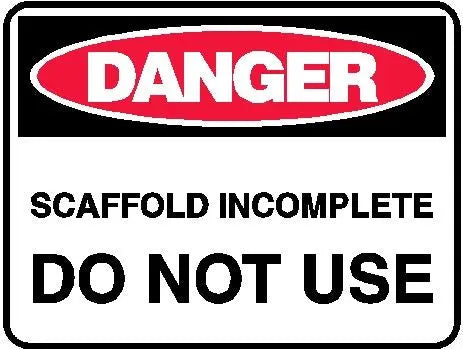
Scaffolding and Work-at-Height Signs
Scaffolding and elevated work areas often require signs indicating access status and specific hazards.
Common signs include:
- Scaffolding Complete — Safe to Use
- Scaffolding Incomplete — Do Not Use
- Danger Incomplete Scaffold
- Authorised Scaffolders Only
- No Unauthorised Alterations
- Maximum Load
- Keep Clear Below
- Overhead Work
- Falling Objects
- Safety Harness Must Be Worn
- Ladder Access
- No Access
- Fragile Roof
- Roof Access by Permit Only
- Edge Protection Required
Scaffold-status signs and tags should reflect the actual status of the structure. They should not remain in place if the scaffold has been modified or is awaiting inspection.
Buy Scaffolding and Work-at-Height SignsMaterials for Construction Site Signs
The correct material depends on how long the sign will remain in place and the conditions it will face.
Corflute Construction Signs
Corflute is lightweight, economical and popular for temporary construction signage.
It is suitable for:
- Temporary fencing
- Short-term project signs
- Wet-concrete notices
- Directional signs
- Temporary access instructions
- Event or shutdown signage
- Short-duration hazard warnings
Corflute can be cable-tied to fencing or mounted using suitable fixings.
Polypropylene Construction Signs
Polypropylene provides a rigid yet lightweight option for general site signage.
It is suitable for:
- Site sheds
- Internal walls
- Gates
- Sheltered fencing
- Machinery
- Amenities
- Medium-term outdoor use
- Reusable site signage
Aluminium Composite Signs
Aluminium composite panel provides a firm, professional sign for longer-term and exposed applications.
It is commonly selected for:
- Main site entrances
- External walls
- Hoardings
- Permanent access points
- Car parks
- Vehicle routes
- Principal-contractor boards
- Large custom signs
- Long-duration projects
Metal Construction Signs
Metal signs provide strong rigidity for demanding industrial and civil-construction environments.
They can be mounted to:
- Posts
- Frames
- Buildings
- Security fences
- Gates
- Plant areas
- Long-term work zones
Self-Adhesive Vinyl Signs
Vinyl signs are suited to clean, smooth surfaces such as:
- Machinery
- Electrical cabinets
- Switchboards
- Doors
- Site vehicles
- Equipment cases
- Windows
- Control panels
Reflective Construction Signs
Reflective signs provide improved visibility when illuminated by vehicle headlights or directed light.
They may be useful for:
- Site gates
- Night works
- Vehicle routes
- Speed-limit signs
- Truck entrances
- Remote construction projects
- Loading areas
- Low-light work zones
Reflective material does not replace adequate site lighting.
Choosing the Right Sign Size
Common construction-sign sizes include:
- 150 × 225 mm
- 225 × 300 mm
- 300 × 450 mm
- 450 × 600 mm
- 600 × 900 mm
Larger and custom sizes may be appropriate for entry boards, vehicle signs and project information.
Consider:
- Viewing distance
- Whether the viewer is walking or driving
- Approach speed
- Amount of wording
- Symbol size
- Site lighting
- Background clutter
- Mounting height
- Available space
- Whether the sign is temporary or permanent
- Directions from which the area can be approached
A sign mounted at a vehicle entrance normally needs to be larger than a sign attached to a machine or site-office door.
Where to Position Construction Safety Signs
Good placement is just as important as sign design.
Construction signs should be:
- Visible before the person encounters the hazard
- Mounted within the expected line of sight
- Large enough for the intended viewing distance
- Positioned away from competing information
- Installed securely
- Kept clean and readable
- Repeated where a hazard can be approached from several directions
- Updated when the site layout changes
- Removed when no longer relevant
- Illuminated where necessary
- Protected from avoidable damage
Avoid placing critical signs:
- Behind open gates
- Behind temporary fencing mesh or stored materials
- Where parked vehicles will obstruct them
- Too close to the hazard for a person to respond
- At an unsuitable viewing angle
- Against a visually confusing background
- Where construction activity is likely to destroy them immediately
Reviewing Signs as the Project Changes
A construction-signage plan should not remain static for the full project.
Review signs when:
- Access gates move
- Excavations open or close
- New levels become accessible
- Scaffolding is installed or modified
- Vehicle routes change
- Temporary power is relocated
- Emergency equipment moves
- Site amenities move
- Demolition begins
- Public access changes
- Crane operations commence
- Work enters fit-out or commissioning stages
- Principal-contractor information changes
- Project contacts change
Regular reviews help identify missing, damaged, contradictory or obsolete signs.
Frequently Asked Questions About Construction Safety Signs
The signs required depend on the site’s hazards, access arrangements, work activities, emergency procedures, vehicle movements and applicable laws. Common signs include site-entry instructions, PPE signs, danger signs, emergency signs, traffic signs and principal-contractor information.
General occupational safety-sign design and use are covered by AS 1319:1994. Other requirements may apply to traffic control, hazardous chemicals, emergency exits, fire equipment and specialised construction activities.
A site entrance commonly displays access restrictions, PPE requirements, visitor sign-in instructions, induction requirements, principal-contractor information, emergency contacts, site speed limits and other important conditions of entry.
PPE signs should be displayed where risk controls require specific equipment to be worn. General site PPE is often communicated at the entrance, with additional signs installed around specialised work areas.
A mandatory sign communicates an action that must be taken, such as wearing a hard hat. A warning sign alerts people to a hazard, such as moving plant or an uneven surface.
A danger sign should be used for a hazard or hazardous condition that is likely to be life-threatening. It should not be used for every general construction hazard.
Depending on the risk, excavation signage may include Danger Deep Excavation, Open Trench, Keep Out, No Unauthorised Entry, Warning Excavation and Underground Services signs. Signage should support barriers and other excavation controls.
Common traffic signs include speed limits, stop, give way, one way, truck entry, pedestrian routes, loading zones, parking instructions and reversing-vehicle warnings. The selection should match the site traffic-management plan.
Workplace traffic signs may use familiar traffic symbols, but signs affecting public roads may be subject to road-authority requirements. The traffic-management arrangements should be prepared and implemented by appropriately competent people.
Corflute is commonly used because it is lightweight, economical and easy to attach to temporary fencing. Polypropylene may provide greater rigidity where signs will be moved and reused.
Aluminium composite or metal may be more suitable for long-duration projects and exposed locations because they provide greater rigidity than temporary corflute signs.
Yes. Corflute and lightweight polypropylene signs are commonly secured using cable ties or suitable fence clips. Signs should be fixed securely and checked after strong winds or site changes.
The size depends on viewing distance, message length, approach speed and location. Gate and traffic signs generally need to be larger than close-range signs installed on doors or equipment.
Yes. Custom entrance signs can include your logo, project details, principal-contractor information, PPE requirements, site rules, emergency contacts, delivery directions and QR codes.
Yes. QR codes can direct workers or visitors to induction forms, site rules, emergency procedures, project documents or contact information. Essential safety instructions should still be displayed directly on the sign.
Yes. Custom construction signs can include additional languages where required. The layout should remain clear and readable.
Signs should be checked during regular site inspections and whenever access, hazards, traffic routes or emergency arrangements change.
Remove a temporary sign as soon as the instruction or hazard no longer applies. Obsolete signs can cause confusion and reduce confidence in current safety messages.
No. Signs provide information and reinforce required behaviour, but they do not replace higher-level controls such as elimination, isolation, guarding, barriers, engineering controls, safe procedures, training and supervision.
Yes. Industro supplies standard and custom construction signs to projects throughout metropolitan, regional and remote Australia.
Order Construction Safety Signs from Industro
Make site requirements clear from the front gate to the active work area with dependable construction signage from Industro.
Browse our range of mandatory signs, PPE signs, danger signs, warning signs, traffic signs, emergency signs and temporary building-site signs.
For project-specific requirements, contact us about custom signage featuring your branding, site rules, project information and emergency contacts.
Shop construction safety signs online or speak with Industro about a complete site-signage package.
Important: The information on this page is general in nature. It does not replace a site-specific risk assessment, traffic-management plan, professional safety advice or the legislation, standards and codes applying to a particular construction project.